

Why equipment identification needs dependable output
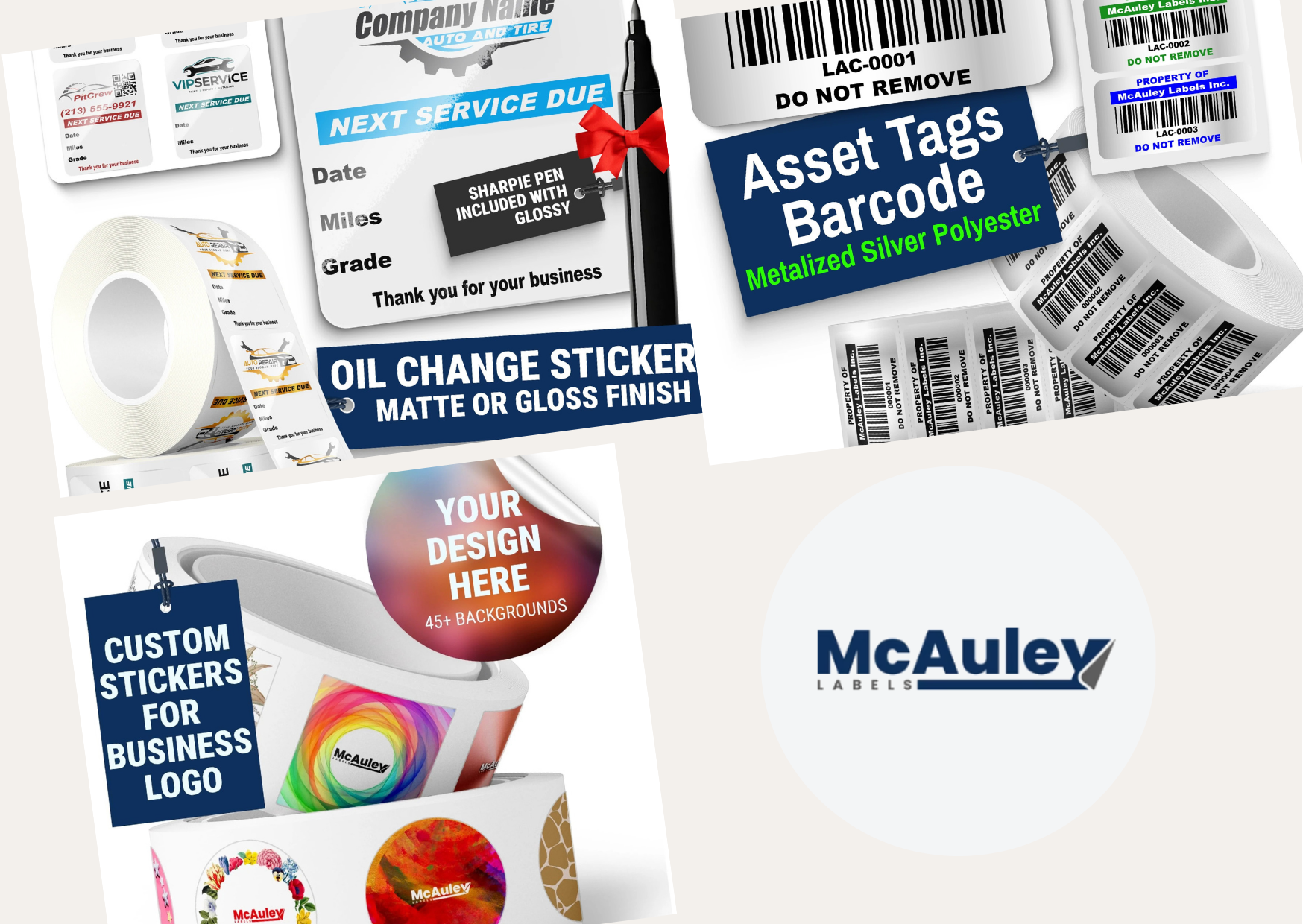
Accurate labeling is more than a convenience—it’s a control system for your inventory, maintenance schedules, and asset accountability. When labels fade, smear, or peel, staff spend extra time rechecking records and redoing work, which asset tag label printer can slow down audits and repairs. With a purpose-built, your organization can print consistent identifiers that remain readable through daily handling and routine cleaning.
Trust matters because asset labels often connect to warranties, service history, and compliance expectations. If a label’s information becomes illegible, teams may misidentify parts, route work incorrectly, or lose the trail needed for troubleshooting. A quality-focused printer and the right label stock help ensure the text and barcodes stay stable, supporting smoother receiving, tracking, and lifecycle management across departments.
Quality features that protect labels in real-world use
A reliable printing setup should prioritize print clarity, durable materials, and dependable barcode performance. Look for output that holds sharp edges and strong contrast, especially when labels include small text, serial numbers, or scanning codes. When medical label printer a style workflow is used for facilities that require strict readability, the goal is the same: create labels that scan quickly and match the asset records without guesswork.
The label environment determines which durability features you need, such as resistance to moisture, abrasion, and common workplace chemicals. In warehouses and manufacturing areas, labels may rub against packaging, equipment casings, or carts during transport. In automotive shops, labels can be exposed to oils and frequent wipe-downs, so choosing a printer that works smoothly with compatible, rugged label materials helps prevent premature wear.
Consistency for inventory audits, maintenance, and asset traceability
When your identification system is consistent, reporting becomes easier and errors drop. A stable printer workflow lets you standardize label sizes, formatting rules, and barcode placement so scanning results remain accurate from one location to another. That consistency is especially important when multiple teams handle labeling—receiving, maintenance, and operations—because everyone benefits from the same reliable output standard.
Good asset traceability also supports faster troubleshooting and more efficient maintenance planning. If technicians can scan an asset label and instantly confirm model, service interval, or ownership, they can reduce diagnostic time and order the right parts sooner. Over time, a trustworthy labeling process helps maintain clear histories, improves inventory visibility, and strengthens internal confidence when preparing reports for stakeholders.
Conclusion
Choosing an is a decision that affects how smoothly your organization tracks equipment and how much time your teams spend correcting labeling issues. Prioritizing print quality, scan reliability, and durable materials helps you build a system people trust, even under heavy day-to-day use. For professional labeling solutions designed around real workplace needs, many teams turn to mcauleylabels.com to support asset identification across warehouses, manufacturers, automotive shops, and growing companies.
When your labeling process is dependable, you gain faster scans, fewer reprints, and clearer records that hold up during audits and maintenance. That reliability creates confidence across operations, from the first label applied to the final service log updated. Invest in quality output and compatible label options, and you’ll set up your asset tracking system for long-term accuracy and smoother workflows.
