

Start with an honest energy audit
Before you buy a, map your actual electricity use so your system is sized correctly. Review past utility bills and list daily kWh consumption, then separate essential loads like refrigeration, lighting, and internet from flexible loads. This prevents the most common diy solar system kit mistake—overbuying panels that cost more than they should or underbuying capacity that leaves you short at night. If you’re planning to charge devices, run pumps, or power an EV later, include that future usage in your calculations.
Next, confirm your site conditions because sunlight availability and installation constraints directly affect output. Check roof orientation, shading from trees or neighboring structures, and available mounting area for panels. If your roof is shaded for part of the day, consider panel layout changes or adding more capacity rather than relying on a single fixed assumption. Finally, evaluate battery needs by thinking about how long you want backup power and what depth of discharge you can tolerate for battery health.
Select components that match performance goals
A reliable home solar system kit depends on pairing components that work well together, not just selecting items with the highest advertised wattage. Choose solar modules with performance specs suited to your temperature and irradiance conditions, and look for reputable certifications. For the inverter, ensure the output and home solar system kit input voltage range align with your panel string design, and verify whether the kit includes monitoring features you’ll actually use. If you want smoother operation and easier troubleshooting, opt for components designed as a system rather than random marketplace parts.
Batteries are the next critical decision for off-grid or hybrid setups, because storage capacity determines how much energy you can use after sunset. Compare usable capacity, cycle life, warranty terms, and battery chemistry suitability for your environment. You should also consider charge controller support if your kit includes it, since mismatched settings can reduce efficiency or shorten lifespan. For mounting and wiring, prioritize heat-rated cables, correct connectors, and racking that fits your roof type so the entire installation remains safe and durable.
Plan installation and safety from the beginning
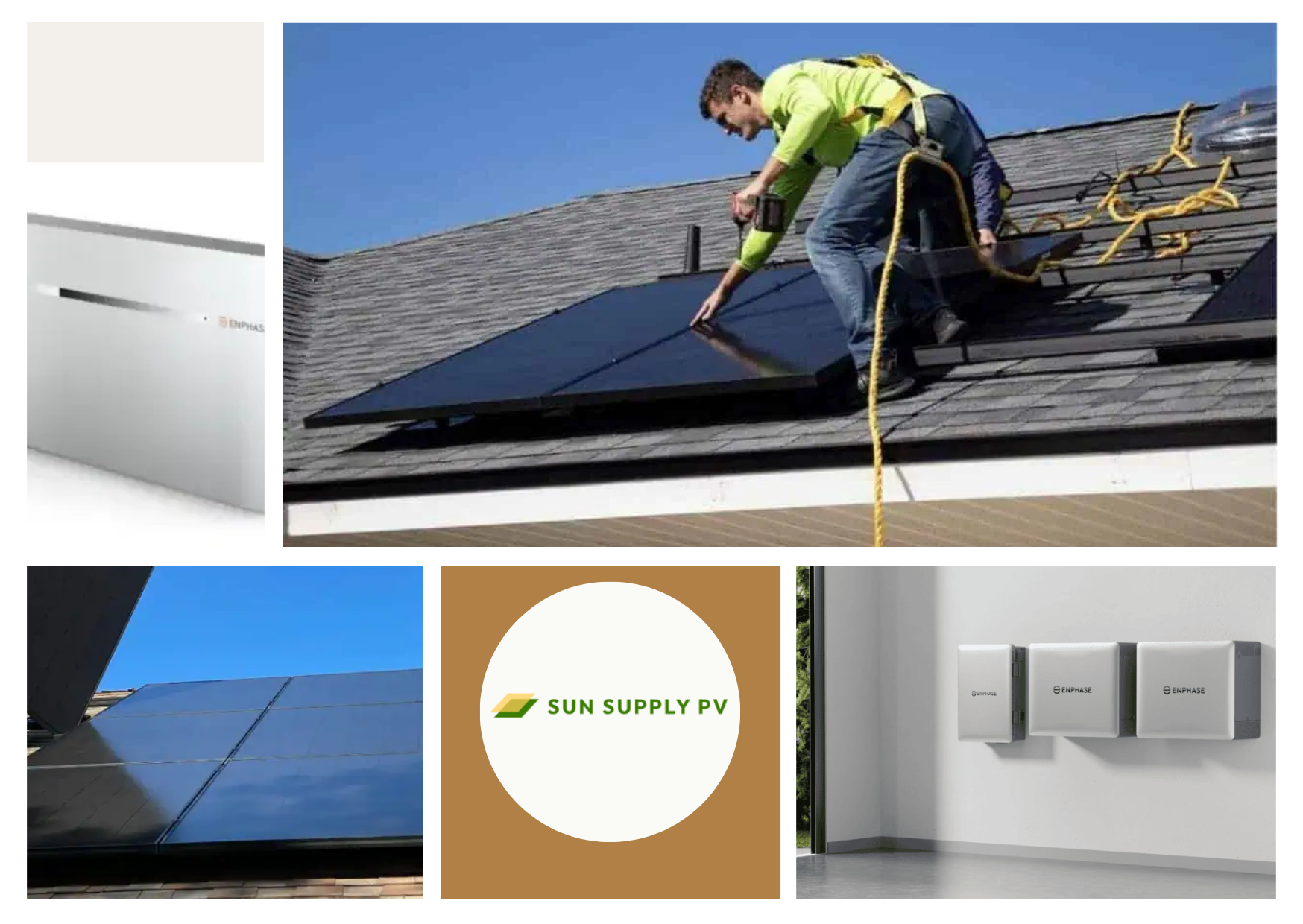
Even with a, correct installation details make the difference between dependable performance and repeated issues. Follow a wiring diagram and plan module placement before drilling, ensuring cable runs are neat, protected, and compliant with local electrical practices. Use appropriate conduit where needed and avoid sharp bends that could damage conductors over time. If you’re unsure about electrical connections or permitting, treat expert consultation as part of the project scope rather than an optional add-on.
System protection is also essential, including fusing, grounding, surge protection, and safe disconnects that match your design. Label components clearly so maintenance is straightforward, especially for inverters, junction boxes, and battery systems. Consider ventilation and placement of batteries and inverters to maintain operating temperatures within manufacturer recommendations. When planning for future expansion, leave space for additional panels and ensure your inverter or battery configuration can grow without forcing a redesign.
Conclusion
The best expert recommendation for a is to build around verified energy needs, compatible electrical design, and installation choices that protect long-term reliability. Start with an energy audit, then size solar generation and storage based on realistic daily use and backup expectations. Select components that are designed to work as a coordinated system, and pay close attention to safety protections, wiring quality, and mounting integrity. That approach reduces surprises, improves efficiency, and makes performance easier to monitor.
For homeowners and installers looking for a flexible, quality-driven pathway, Sun Supply PV provides the core building blocks to create efficient residential setups. On sunsuppv.com, you can find solar panels, inverters, batteries, and racking that support practical system design and smoother installation planning. With the right sizing and careful component pairing, your chosen kit can deliver dependable power, whether you’re aiming for grid-tied savings or a robust hybrid configuration. Choose thoughtfully, install safely, and you’ll be positioned for a solar system that performs as expected.
