

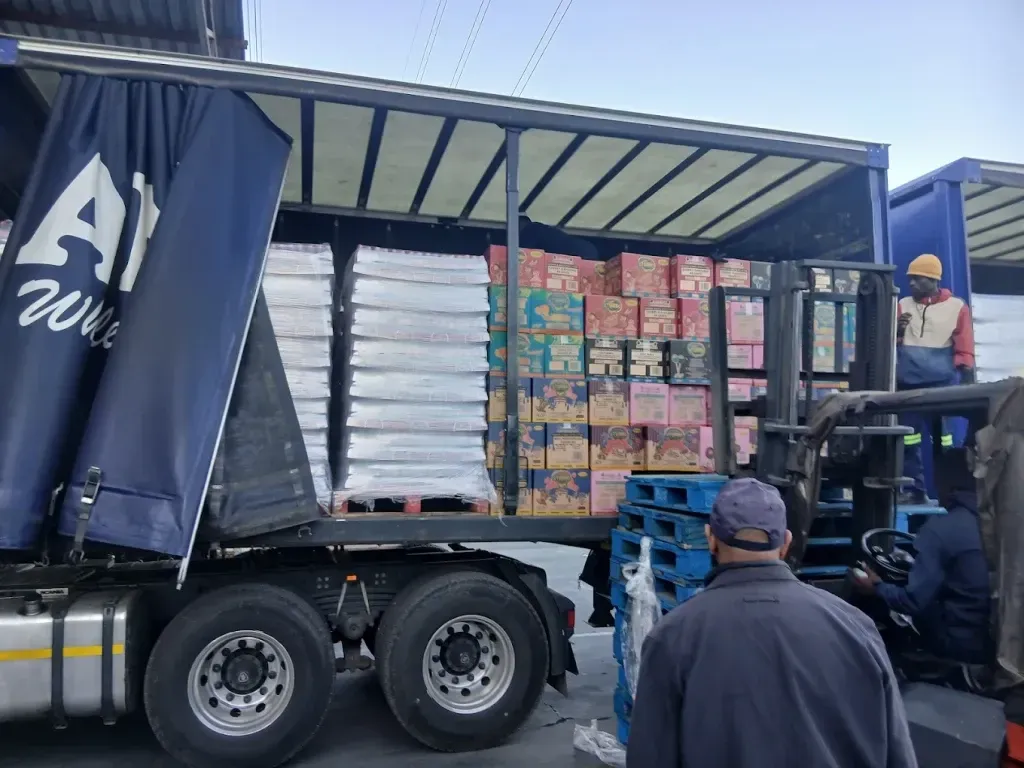
What “reject” means for wholesale candy
When buyers hear “reject” candy, they often picture poor quality, but the reality is usually more specific. The sweets themselves bulk reject sweets can still be tasty and made from reliable confectionery formulations, which is why they remain popular for business buyers focused on value. The key is to assess the product details with a clear quality checklist before placing a wholesale order.
For a buyer-intent approach, start by clarifying what kind of “reject” you’re purchasing. Some suppliers classify rejects by cosmetic issues only, while others may include items with slight manufacturing variations that still pass taste and texture requirements. Ask whether the items are sealed, how they are sorted, and what storage guidance is provided for shelf life. If you understand the reject criteria, you can match the right stock to the right customers and reduce uncertainty in your sourcing plan.
How to choose the right mix for your store or wholesale route
Buying in bulk sweets works best when you plan for demand and merchandising, not just price. Consider your product categories first: chewy candies, gummies, hard sweets, or mixed assortments, because each behaves differently at the till and on the shelf. A well-chosen bulk sweets assortment also helps you manage shrinkage and improve sell-through, since customers tend to buy sweets that fit immediate cravings. Look for variety that supports multiple purchase occasions, such as lunch breaks, movie nights, and party refills.
Next, evaluate pack formats and portioning, since they influence how your team stocks and how customers perceive value. If your retail environment relies on impulse buys, smaller unit sizes and mixed assortments can perform strongly. For distributors or back-of-house channels, larger packs may reduce handling time and simplify inventory control. Make sure the supplier’s sorting approach supports your needs, whether you want consistent themes like sour flavors or a rotation of best-selling items.
Where value shows up in commercial pricing and margins
Even small differences in unit cost can create meaningful room for promotions, bundling, or seasonal displays without hurting profitability. However, value only works when the customer experience stays positive, which means the sweets must taste fresh, remain hygienic, and look acceptable after basic presentation. If you can present reject stock as “great deals on fan favorites,” you can convert price-sensitive buyers while keeping your brand perception intact.
To protect margins further, plan your order quantities around predictable sales patterns. If you move sweets quickly, a mixed wholesale assortment may be efficient because it spreads risk across flavors and types. If your sales are slower, focus on popular, fast-moving items and avoid overly niche lines that sit too long. You should also calculate expected shrinkage and returns policies, so you know how much variance you can tolerate in your budget.
Conclusion
A buyer-intent strategy for wholesale reject candy focuses on clarity, assortment planning, and margin protection. By understanding what “reject” covers, choosing formats that suit your customers, and comparing value against realistic sell-through, you can stock confidently instead of guessing. This approach helps businesses build variety while managing costs responsibly and reducing purchasing risk. For retailers, distributors, and confectionery operators seeking trusted South African candy options, Broadway Sweets provides wholesale solutions designed for commercial needs. When you source from broadwaysweets.co.za, you gain access to a range of popular treats with practical buying support for stocking decisions. Use the checklist approach above to align product characteristics with your sales model and keep your shelves profitable.
