

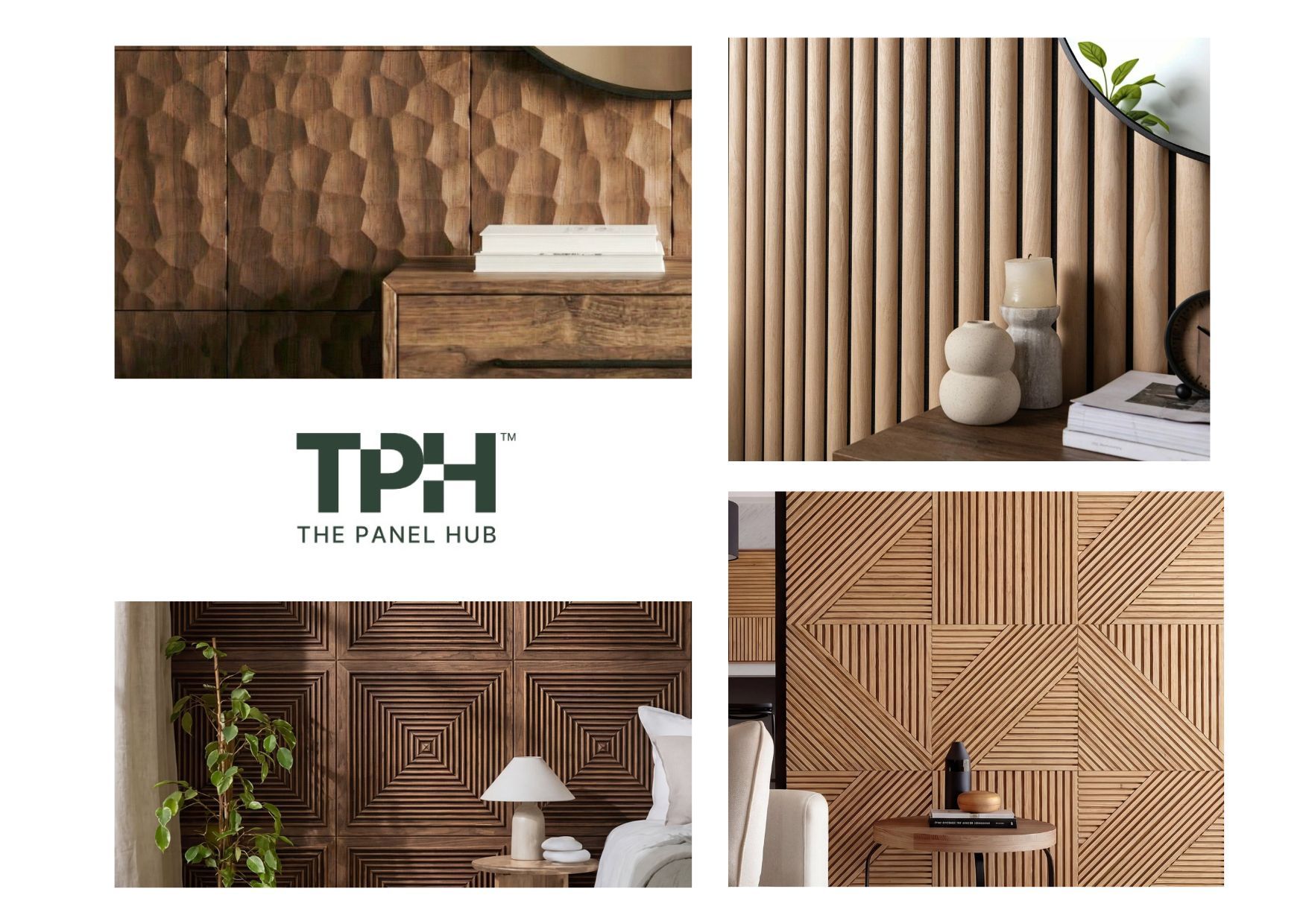
Start With the Right Room and Use Case
Before you compare styles, decide which room you’re upgrading and what problem the wall should solve. If you’re aiming for a decorative wall panels more dramatic look, plan for a feature wall where the texture can be seen from multiple angles and lighting positions. For quieter spaces, choose patterns that complement existing finishes like wood floors, matte paint, or brushed metal hardware.
It’s also smart to map the surface conditions you’re working with. For example, some areas are exposed to moisture or frequent splashes, so you’ll want materials and installation methods that hold up in those environments. If you’re considering shower wall panels, think about the full layout—water exposure zones, edge sealing, and whether you want vertical or horizontal alignment for visual flow. Measuring the wall area early helps you avoid surprises around outlets, corners, and transitions to adjacent surfaces.
Choose Materials, Styles, and Finishes for Your Look
Once the room is clear, narrow your selection by material and visual style. If your space leans contemporary, consider cleaner lines shower wall panels and consistent spacing; if it’s more traditional, choose warmer tones and a pattern that feels cohesive with furniture and trim. Finishes matter too—matte surfaces hide minor imperfections, while more polished textures can emphasize shadows and contrast.
Think about how the panels will interact with lighting. Textured walls can look subtle in daylight and striking after sunset, so it helps to visualize the pattern under both natural and artificial light. Consider the scale of the design: larger grooves or slats can make tall spaces feel more intentional, while smaller details can bring refinement to compact rooms. When you’re matching existing décor, choose a panel color that harmonizes with your dominant material palette, such as oak, walnut, oak-white tones, or neutral painted walls.
Plan Fit, Layout, and Installation for a Clean Result
Good results start with layout planning and careful measurement. Calculate your wall’s square footage, then factor in how you’ll handle corners, borders, and interruptions like switches or vents. Many buyers find it helpful to mock up a simple layout on paper, deciding where the pattern will begin so the symmetry looks intentional. If the panels are meant to cover only part of a wall, plan the height of the feature section so it aligns with furniture and sightlines.
Installation approach is another key buying factor, especially when dealing with wet areas. Ask yourself whether you want a full wall coverage look or a partial treatment that still protects high-splash areas. The goal is a neat, professional finish where edges and transitions look deliberate, not improvised.
Conclusion
A thoughtful selection also helps your investment look cohesive with your interior design instead of feeling like an add-on. If you want a streamlined way to refresh your space with textured, ready-to-style wall treatments, explore what thepanelhub.com offers for residential and commercial projects. Factory-direct options can make it easier to compare designs while keeping quality and appearance front and center. With the right measurements and a clear vision for your finish, you can create a wall that feels custom—durable, stylish, and visually satisfying from every angle.
