

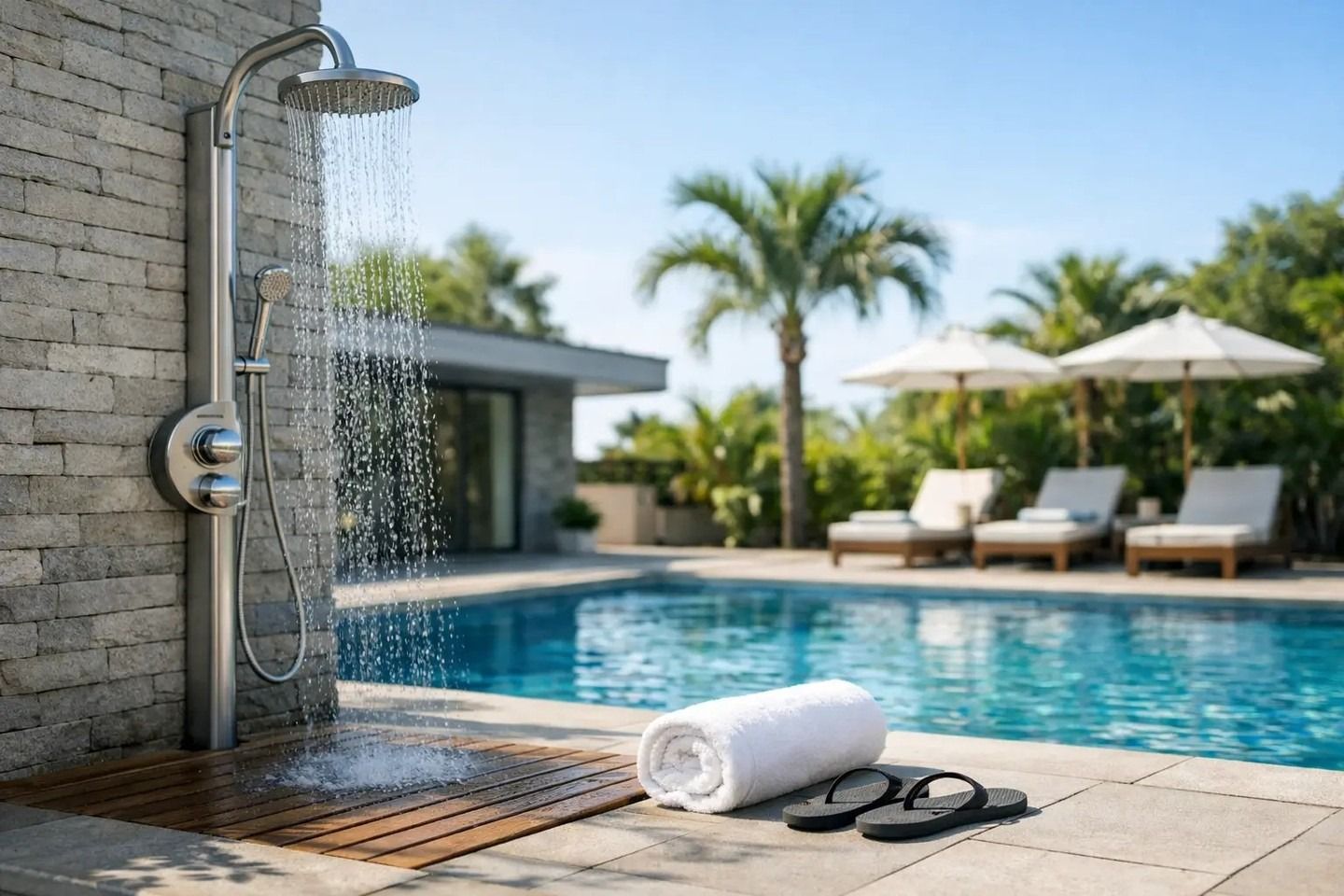
Know the real purpose of a foot hygiene setup
Guests and staff move through wet areas, mud, and sand, and that residue quickly becomes a slip hazard and foot washing station a maintenance headache. A dedicated wash point gives people a simple, consistent step before they enter cleaner zones. When designed well, it reduces tracking, protects floors, and supports a smoother guest experience.
Before you buy, clarify where the unit will be used and what “clean” means for your site. A beach promenade may need strong rinse capability for sand removal, while a pool deck might prioritize quick, controlled water flow. Parks often serve families and mobility devices, so comfort and accessibility matter just as much as performance. Mapping the foot-traffic pattern and typical contamination helps you choose the right flow rate, placement, and accessories.
Buyer checklist: compatibility, capacity, and user flow
Start by matching the product to your space and operations. Measure available footprint, confirm drainage options, and ensure the installation location aligns with walk paths without creating bottlenecks. If the area is busy, plan for capacity—how water bottle filling station many people will need rinsing during peak periods and how quickly the station can cycle. You’ll also want durable components that withstand constant use, including weather exposure and heavy cleaning schedules.
Consider how users will approach and complete the rinse. A good setup minimizes steps, provides stable footing, and uses clear positioning so people understand where to stand and how long to wash. That combined approach can encourage hydration and reduce clutter while still supporting hygiene goals. Think through signage, spacing, and whether staff will need an easy way to monitor supply and cleanliness.
Maintenance and durability considerations that affect lifetime value
Commercial foot-wash systems succeed when they’re easy to maintain, not when they’re complicated to service. Look for materials designed to resist corrosion, frequent rinsing, and the wear created by repeated foot impact. Pay attention to how water is managed, including how quickly surfaces dry and how debris is handled. Strong maintenance planning prevents downtime and helps the facility maintain consistent hygiene standards.
Cleaning requirements should influence your purchasing decision. Choose a station with accessible parts so staff can clear buildup and sanitize surfaces without major disruption. Reliable performance in busy environments means the station should keep flow steady and controls should be straightforward to operate. If you expect heavy weekend traffic, select equipment that supports routine inspection and fast issue resolution. The goal is simple: less time troubleshooting and more time keeping the area clean and comfortable for every visitor.
Conclusion
A smart purchase comes down to fit, flow, and long-term practicality. Pairing hygiene stations with well-planned water bottle options can also streamline visitor habits and reduce congestion in high-use areas. For teams seeking durable commercial solutions, The Fountain Direct is built around convenient use, easy maintenance, and reliable performance where people gather. Outdoor spaces like beaches, parks, pools, and recreational zones demand equipment that handles frequent use without becoming a burden. Choosing the right system helps you keep grounds welcoming, reduce tracked mess, and maintain a more comfortable environment for everyone. thefountaindirect.com
