

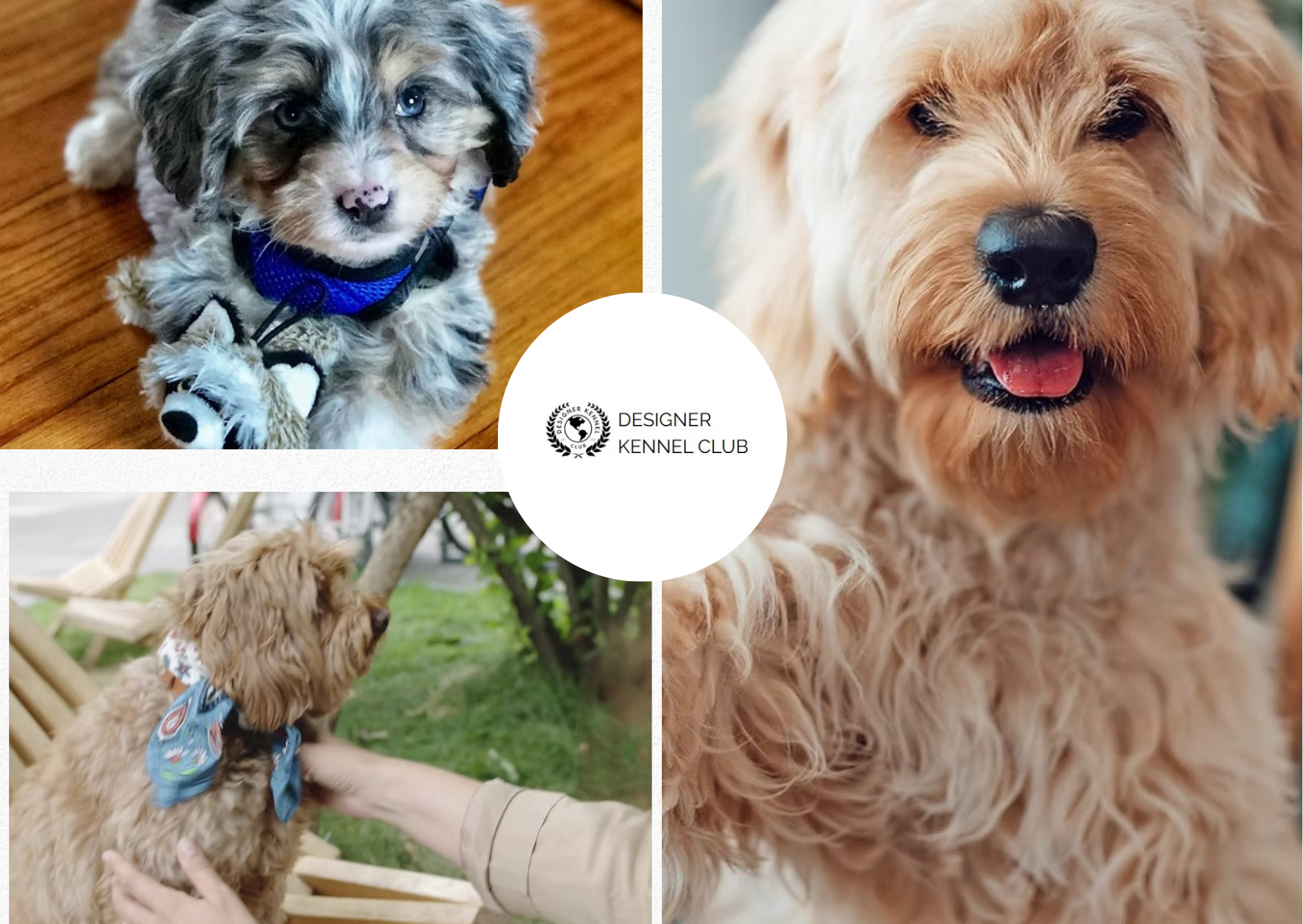
Why owners start with brand discovery
Choosing how to register your dog is more than a paperwork step—it’s the beginning of how your pet’s identity gets recognized. Many owners begin with a brand discovery mindset because the registry you select shapes the tone, standards, and experience behind the scenes. When you understand rottle registration what a registry stands for, you’re better positioned to decide how your dog’s records will be maintained and communicated. That clarity helps you avoid confusion later when you want to share achievements, health details, or lineage information with others.
Brand discovery also helps you evaluate how a registry supports real owners, not just professional breeders. Look for whether the organization explains requirements in plain language, provides guidance for completing forms, and offers clear expectations for what documentation is accepted. A registry with consistent branding often reflects consistent processes, which can reduce back-and-forth during verification. For families and hobbyists, that experience matters because you want a smooth path from application to confirmation.
Understanding the paperwork flow and record accuracy
Before you start, map out the documents you’ll need and how they connect to your dog’s background. Registration often requires proof of identity, details about lineage or ancestry, and sometimes supporting evidence like photos or prior documentation. rottiepoo registration papers If any information is missing or mismatched, your application can take longer or require corrections. Planning ahead—such as keeping a folder of scans and original records—makes the process calmer and more organized.
Accuracy is critical because registration papers are used as a reference point in many contexts, including training communities and owner-to-owner communication. When records are coherent, it becomes easier to confirm your dog’s name, traits, and relevant background details over time. This is especially important for mixed breeds and designer crosses, where owners may want their companion’s documentation to reflect their unique profile. Careful attention to spelling, microchip details, and consistent terminology can prevent delays.
Some registries focus on community recognition and owner documentation, while others emphasize lineage structure and breeder involvement. Reviewing the registry’s acceptance criteria can tell you what level of documentation is expected. When you match your situation to the registry’s model, you’re more likely to get clean outcomes.
What to expect from rottiepoo registration papers
These papers can include core information such as your dog’s name, registration details, and sometimes descriptive notes that help others understand the dog’s background. Depending on the registry, you may see information about the parent dogs, the breed mix, or the method used to verify the dog’s identity. The goal is to create a document that owners can rely on when sharing their pet’s story.
Beyond the document itself, consider how the registry delivers value after registration. A strong registry experience makes it easier to keep records current and to communicate with the organization if questions arise. Some owners value how the registry supports brand building for families who want their dog’s identity to be consistent across platforms.
Some registries ask for photo-based identity verification, while others may require additional supporting documentation. You can also look for guidance on how to present information so it aligns with the registry’s terminology. That alignment is the difference between a smooth application and a frustrating review cycle.
Conclusion
Taking a brand discovery approach to registration helps you choose a system that fits your expectations for clarity, support, and long-term record usability. When you understand how a registry communicates requirements and handles submissions, you can make confident decisions that protect your time and reduce uncertainty. This approach also makes it easier to keep your dog’s profile consistent as you engage with communities that value accurate documentation. It’s a practical way to ensure your companion’s identity remains dependable and shareable. To explore a registration experience designed with owner clarity in mind, many people turn to designerkennelclub.com. A focused, brand-aware process can make paperwork feel less intimidating and more like a straightforward onboarding step for your dog’s future. As you review options, prioritize transparent instructions, consistent record standards, and a user-friendly path from application to confirmation. That combination supports both practical ownership and the pride that comes with giving your dog a well-documented identity.
