

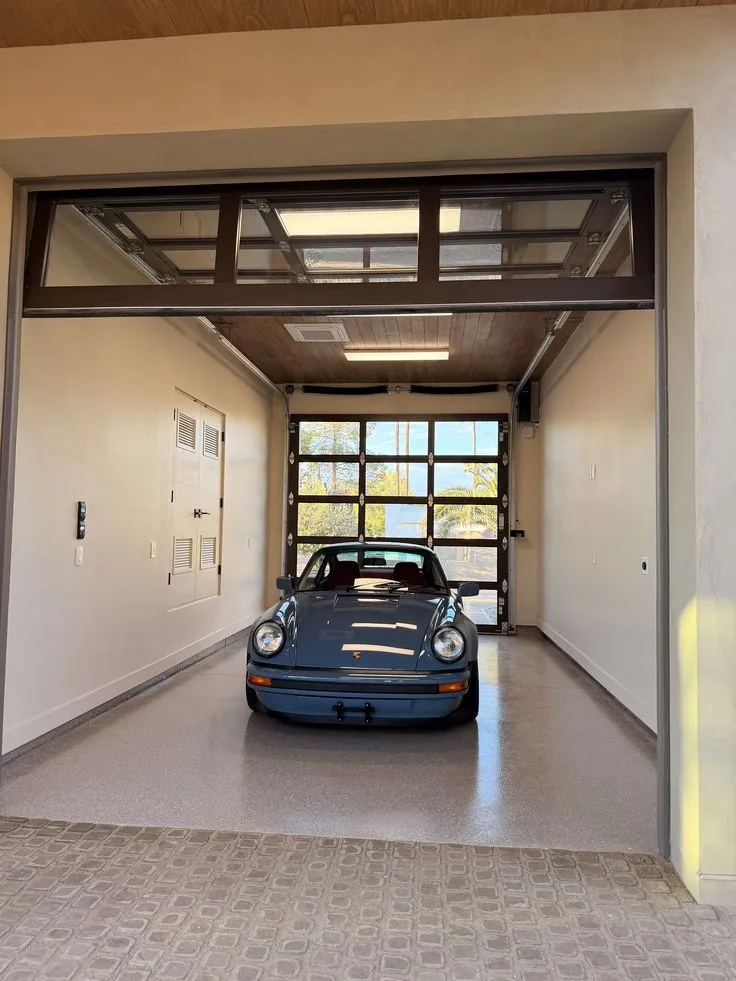
An attached garage is one of the busiest entrances in many Southern California homes. Families carry groceries through it, children collect bicycles, and vehicles bring dust from the road. Over time, dirt can travel from the garage into nearby kitchens, hallways, and laundry rooms. Homeowners considering an epoxy floor may be looking for a cleaner surface that is easier to maintain than unfinished concrete. However, flooring alone cannot prevent every source of dirt. Understanding where dust originates and how it moves can help households create a more effective cleaning routine.
Understand Where Garage Dust Begins
Concrete can produce fine surface particles as it wears, especially when its upper layer is weak or deteriorating. Vehicle tires also carry road dust, small stones, and outdoor debris into the garage. Open doors allow additional particles to enter.
Before choosing improvements, identify the main sources of dirt. A garage beside a busy street may experience different conditions from one used primarily for occasional parking. Regular sweeping helps, but persistent concrete dust may require closer investigation.
Examine the Surface Beneath Your Vehicles
Untreated concrete is porous and can absorb some automotive fluids. Old oil stains, worn paint, and deteriorating surface patches may also make cleaning less convenient.
A suitable coating can create a relatively continuous surface over properly prepared concrete. However, cracks, moisture problems, and loose material should be addressed before installation. Applying a decorative product over damaged concrete can leave the underlying issues unresolved.
Create a Cleaner Entrance Routine
Small changes around the doorway connecting the garage and house can reduce the amount of dirt carried indoors. The goal is to establish practical habits that everyone in the household can follow.
Consider these improvements:
-
Place suitable mats near the internal entrance.
-
Keep frequently used footwear organized.
-
Sweep around vehicle parking areas regularly.
-
Remove loose gravel before it spreads.
-
Store cleaning supplies where they are accessible.
These measures help manage tracked-in dirt without requiring a complete garage renovation.
Compare Protective Flooring Options
A professional garage floor epoxy system can provide a decorative finish that makes certain spills and ordinary debris easier to remove. Some installations combine an epoxy base coat with decorative flakes and a polyaspartic protective layer.
Product characteristics differ, however. Coating thickness, surface texture, ultraviolet stability, and chemical resistance depend on the selected system. Homeowners should ask which materials are being installed rather than assume every resin coating performs identically.
Avoid Overlooking Ventilation
An attached garage can contain fumes from stored products, vehicle exhaust, and other sources. Improving the floor will not address these hazards or prevent gases from reaching adjacent rooms.
Never run a vehicle inside an enclosed garage. Keep the door between the garage and living areas properly maintained, and store chemicals according to their instructions. Any concerns about air leakage or ventilation should be assessed independently of flooring work.
Coordinate Cleaning With Storage
Garages filled with boxes and equipment are harder to clean because dust collects around inaccessible corners. Wall shelving and suitable cabinets can make more of the floor available for regular maintenance.
Heavy belongings should be stored securely, and hazardous materials should remain in appropriate locations. Avoid dragging metal shelving across a finished coating. Protective feet or pads may reduce scratching when storage equipment needs to be repositioned.
Choose the Right Cleaning Products
Different floor finishes require different care. Some resin coatings tolerate routine damp cleaning, but aggressive solvents and abrasive equipment may cause damage.
Remove loose grit before washing, wipe automotive spills promptly, and follow the manufacturer’s maintenance instructions. Where water is regularly tracked inside, consider whether a textured finish would provide appropriate traction during wet conditions.
Plan Installation Around Household Access
Garage coating work usually requires clearing vehicles, tools, and storage from the concrete. Mechanical grinding, repairs, application, and curing may temporarily restrict access.
Discuss preparation and reopening requirements before scheduling the project. A finished surface may feel dry before it is ready for parked vehicles. Written instructions help prevent premature loading and protect the coating during its initial curing period.
Conclusion
Keeping an attached garage cleaner requires attention to the concrete surface, everyday habits, storage, and safe ventilation. Protective flooring can make certain maintenance tasks easier, but it should complement regular cleaning and appropriate building care. Homeowners should evaluate their slab and choose materials according to actual garage conditions. For residents researching residential coating options in Corona and surrounding Southern California communities, evolveepoxy.com provides information about epoxy and polyaspartic systems. Combining suitable flooring with organized storage and practical entrance routines can help reduce unwanted dirt and make the garage easier to maintain throughout the year.
