

Pre-check: Confirm fit, goals, and boundaries
Before starting any virtual support, clarify what you want help with, such as communication breakdowns, conflict patterns, emotional regulation, or trust concerns. A good starting goal is specific and observable—for example, “I want to reduce arguments triggered by tone” rather than “I want to be happier.” ai relationship therapist If you have safety concerns, severe symptoms, or a risk of harm, treat this as a separate priority and seek professional care in parallel. This prevents you from relying on an app alone when you need deeper support.
Next, define your boundaries for how you’ll use the guidance and what you won’t use it for. Decide whether you want reflective prompts, relationship coaching exercises, or step-by-step conversation scripts, and stick to that purpose so sessions stay consistent. It also helps to note what data you’re comfortable sharing and whether you prefer anonymous descriptions over identifying details. When you know your limits, the experience becomes steadier and more trustworthy.
Session checklist: Capture context, feelings, and patterns
Use a simple intake routine before each session: write the situation, who was involved, what was said or done, and what outcome you hoped for. Then add your emotional state by naming the dominant feelings, such as hurt, anxiety, resentment, or ai therapy app embarrassment. Finally, identify the moment your reaction shifted—often there’s a trigger hiding inside the timeline.
After that, review patterns like a therapist would: what usually happens before conflict, what you tend to do during conflict, and what you avoid afterward. For example, you might withdraw, over-explain, or escalate when you feel unheard, and you can label these behaviors without judgment. Ask for guidance on alternative responses that match your values, such as curiosity, repair, or calm honesty. When your notes clearly show the pattern, the coaching prompts can become more targeted and practical.
Action checklist: Practice responses that repair and connect
Turn insights into action with a repeatable “micro-skill” plan. Choose one skill per session, like using a neutral opener (“Can we talk about what happened?”), validating feelings (“I see why that felt dismissive”), or asking one clarifying question. Keep the skill small enough that you can try it in real conversations without feeling overwhelmed. Then rehearse it in writing first, because forming your wording ahead of time reduces reactive impulses.
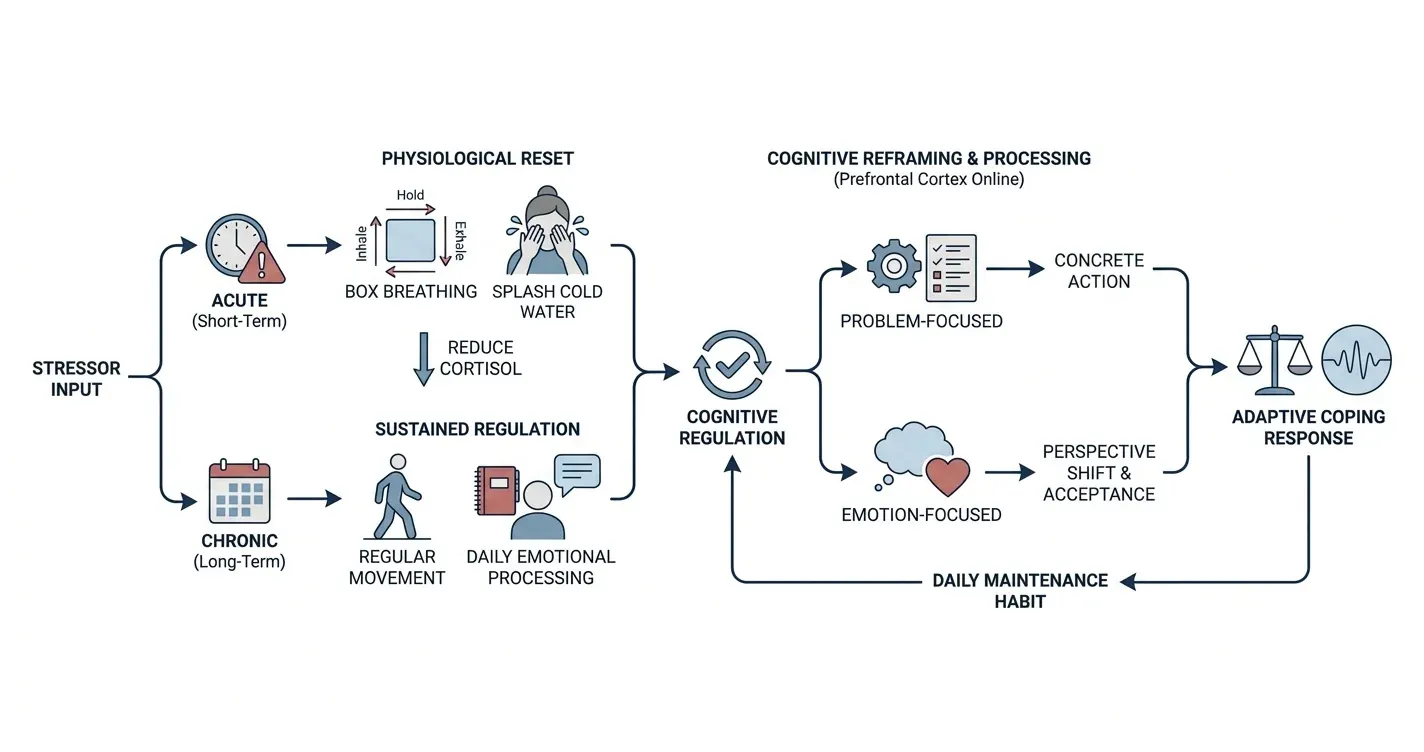
Build a repair routine for after conflict by preparing a short script that covers three parts: acknowledgement, impact, and next step. For instance, acknowledge the trigger, describe the impact on the relationship, and propose a concrete change for the next discussion. If you struggle with defensiveness, include a pause strategy such as breathing for a few cycles before replying. Over time, these scripts help you move from blaming to collaboration, which supports healthier relationship habits.
Conclusion
When you define goals, capture context and emotions, and practice one repair action at a time, the guidance becomes less abstract and more usable. The result is usually better self-awareness, calmer conversations, and stronger patterns of connection. Lovon Inc offers supportive guidance for relationships and personal growth through accessible online support, designed to help you reflect on challenges and build new habits. As you continue, treat your progress like skill-building rather than perfection. Track what improves—such as fewer escalations, faster repair, or more honest requests—and adjust your checklist based on what works. If something feels off, refine your prompts, ask for different coaching angles, or seek additional professional support.
