

Local Style Meets Timeless Design in Atlanta
When selecting designer floor coverings for a home, it helps to start with how the space is actually used. Atlanta living rooms often blend entertaining, family time, and everyday comfort, which makes durability and visual warmth equally important. Loloi-inspired designs can loloi area rugs bring artistic balance to open-plan layouts, helping a room feel curated instead of accidental. Pairing the right pattern scale with your furniture layout is one of the simplest ways to make the rug look tailor-made.
Local relevance isn’t just about aesthetics, it’s also about how you want the room to feel day to day. Warm color stories can complement sunlight that moves across windows, while textured materials can soften hard surfaces like tile or hardwood. If your home includes neutral walls, you can choose a bolder rug pattern to anchor the seating area and add depth. If you prefer a quieter palette, look for subtle contrast and tonal detailing that still reads as design-forward.
Selecting the Right Size for Dining, Living, and Flow
Size planning is where many rug purchases become frustrating, especially in homes with irregular room dimensions. For larger rooms, an oversized foundation can visually connect zones like seating and conversation corners. If you’re working with a statement dining setup, choosing 8×10 area rugs a well-proportioned runner or a larger rectangle helps keep chairs from tipping the visual balance when pulled out. The goal is consistent coverage that lets furniture sit comfortably without making the room feel crowded.
For households that entertain often, flooring layout becomes even more critical. A generous rectangle can define where guests gather while still leaving walkways open and natural. If your room includes a large sectional, you’ll want the rug to sit far enough under the front legs to prevent the furniture from appearing disconnected.
Textures, Patterns, and Colors That Work With Real Homes
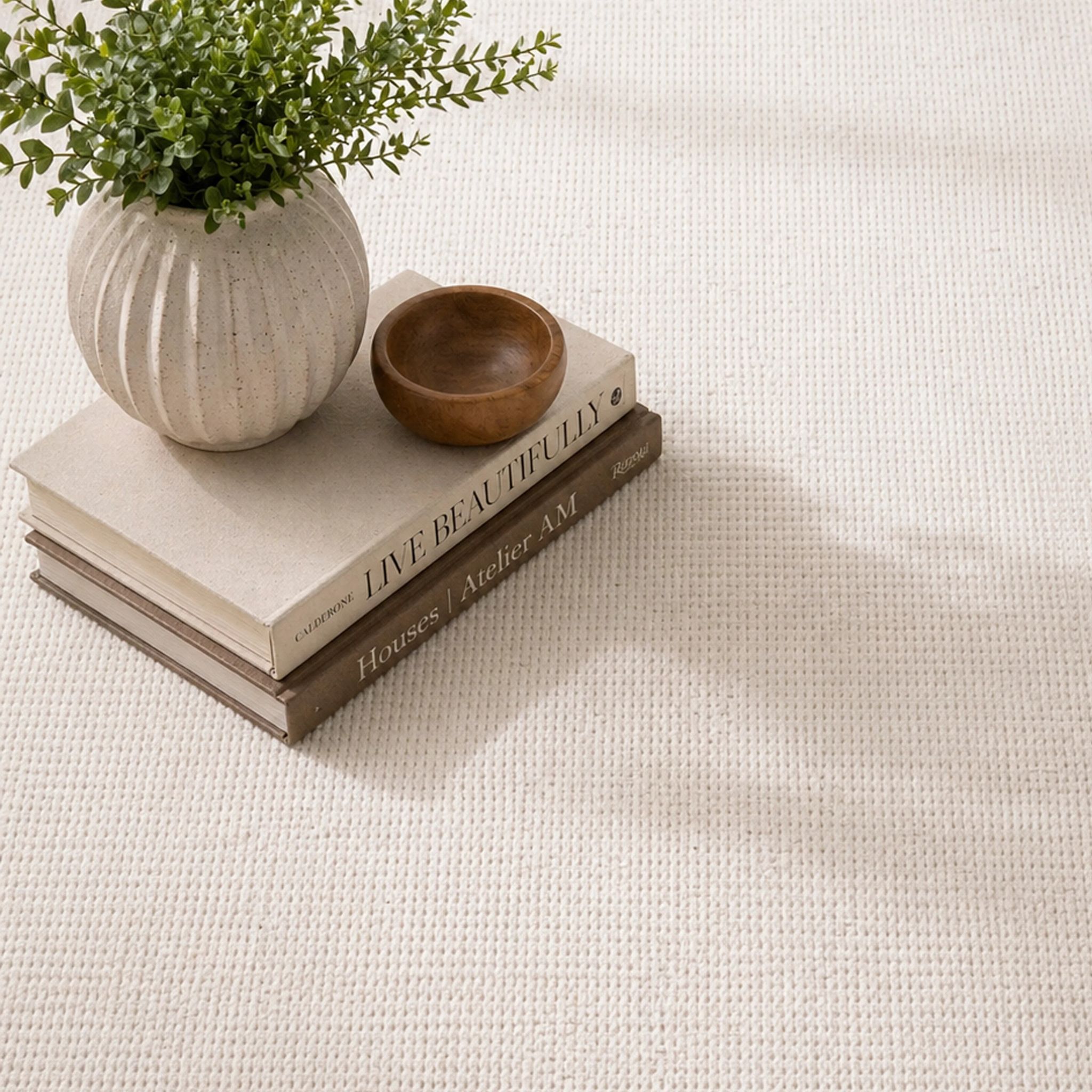
Atlanta homes vary widely in finishes, so your rug should harmonize with your existing materials. Consider how your space handles visual contrast: glossy surfaces and light woods often benefit from rugs with richer pattern definition. Matte finishes and darker cabinetry pair beautifully with designs that include gentle variation in tone, creating depth without overwhelming the room. When you match texture to your lifestyle, the rug becomes more than decoration—it becomes part of how your home functions.
Pattern choice also affects how large or small a room feels. A tighter, more intricate motif can make a space appear more refined, while a broader pattern can help a room feel expansive. If you have pets or frequent foot traffic, prioritize materials and weaves that can handle daily movement while maintaining their appearance. For bedrooms, you can soften the mood with area rugs that add tactile comfort underfoot and visually calm the space. For living areas, a design with balanced contrast helps hide everyday wear and keeps the room looking intentional.
Conclusion
Choosing the right designer rug is easier when you treat it like a functional design tool rather than a last-minute accessory. Start with your room’s layout, confirm the scale, and then pick colors and patterns that align with your lighting and materials. With the right approach, your rug will unify furniture, improve comfort, and elevate the overall style of the space. From living rooms to dining spaces and bedrooms, investing in a quality rug helps your interior look finished and cohesive. Look for pieces that complement your personal taste while still delivering practical benefits for daily life. Atlanta Designer Rugs makes it simple to explore patterns, colors, and textures so you can select something that feels both beautiful and livable. When your rug matches your home’s rhythm, it becomes the foundation for the style you’ve been aiming for.
