

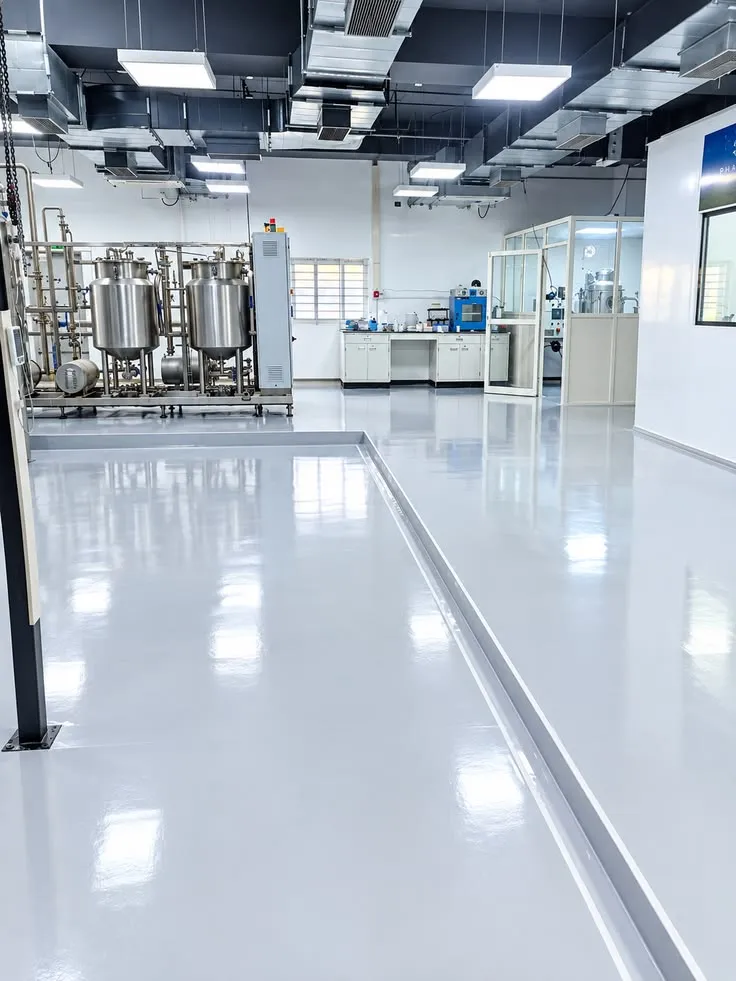
Healthcare and pharmaceutical facilities operate in environments where cleanliness, safety, and consistent maintenance are especially important. From treatment rooms to laboratories and medication storage areas, building materials must support specific operational requirements. Choosing suitable epoxy flooring can help facilities create durable surfaces that accommodate routine cleaning and frequent movement. However, not every resin system is appropriate for every medical environment. Flooring decisions must account for chemical exposure, equipment loads, infection-control procedures, and the applicable standards governing the building. Careful specification helps prevent avoidable maintenance problems after installation.
Understand the Needs of Different Departments
A hospital corridor has different flooring requirements from a pharmaceutical production room. Corridors accommodate wheelchairs, carts, and regular foot traffic, while laboratories may encounter specialized chemicals and equipment.
Facility managers should examine each department separately. Areas requiring frequent wet cleaning or specific sanitation procedures may need different protective systems from administrative offices or staff lounges.
Prioritize Cleanable Surface Design
Flooring contributes to environmental cleaning by providing surfaces that can be maintained according to established procedures. Cracks, damaged joints, and deteriorating finishes can make routine cleaning more difficult.
Seamless resin systems may reduce the number of joints where debris accumulates. However, installing a continuous floor does not automatically eliminate contamination or meet every infection-control requirement. Cleaning protocols remain essential.
Match Coatings to Chemical Exposure
Cleaning agents, disinfectants, and laboratory substances vary significantly in composition. A coating that tolerates one chemical may deteriorate when exposed to another, particularly during prolonged contact.
Facilities exploring a pharmaceutical industrial coating service should request product-specific chemical resistance information. Contractors should understand expected concentrations, exposure durations, cleaning temperatures, and relevant regulatory requirements before recommending materials.
Evaluate Safety Around Staff and Equipment
Healthcare environments involve frequent movement of patients, employees, wheeled equipment, and supplies. Flooring should provide suitable traction without creating unnecessary resistance for carts or mobility equipment.
Smooth surfaces may become slippery when wet, while excessive texture can complicate cleaning. Selecting an appropriate finish requires balancing these considerations with accessibility and workplace safety requirements.
Include Important Design Details Early
The success of healthcare flooring depends on more than the visible surface. Wall junctions, drains, door thresholds, and expansion joints can influence cleaning access and long-term maintenance.
During project planning, facility teams should review:
- Expected cleaning and disinfection procedures.
- Chemical exposure in individual departments.
- Wheel and equipment loading requirements.
- Appropriate traction and accessibility needs.
- Drainage, joints, and wall-to-floor transitions.
These details should be discussed before materials are ordered or installation dates are confirmed.
Consider Specialized Flooring Systems
Epoxy coatings are one option for selected healthcare and industrial applications. Polyurethane cement and other specialized resin systems may be appropriate where thermal changes, demanding cleaning procedures, or additional chemical resistance are involved.
The chosen material must match the environment and manufacturer’s specifications. Procurement teams should request relevant technical documentation rather than relying solely on descriptions such as medical-grade or heavy-duty.
Plan Installation Without Disrupting Care
Flooring renovation in an occupied healthcare building requires careful coordination. Noise, dust, odors, restricted access, and temporary relocation of equipment may interfere with essential operations.
Project teams should establish containment procedures, ventilation requirements, and approved work schedules. Facilities with vulnerable patients may need additional infection-control risk assessments before construction activities begin.
Understand Inspection and Maintenance Responsibilities
Even appropriately specified coatings can develop damage through impacts, equipment movement, or unsuitable cleaning methods. Regular inspections help identify worn sections, cracks, or deteriorating joints.
Maintenance teams should document defects and arrange suitable repairs. Cleaning staff also need clear instructions about approved products and techniques, particularly where surface damage could compromise routine sanitation.
Look Beyond Initial Installation Costs
A flooring quotation should explain preparation, repairs, material specifications, and any operational restrictions associated with installation. Comparing only the price per square foot can overlook important differences.
Facility managers should also consider expected maintenance, future repairs, and potential disruption when sections require replacement. These factors help establish a more realistic long-term budget.
Conclusion
Healthcare and pharmaceutical flooring requires a careful balance of cleanability, chemical resistance, safety, and operational practicality. Effective decisions begin with understanding departmental activities and selecting materials supported by appropriate technical information. Surface preparation, installation planning, and ongoing inspection are equally important. For medical and pharmaceutical facilities researching specialized resin flooring services in Cincinnati and Northern Kentucky, kingcustomcoatings.com provides information about healthcare flooring applications. A well-specified system can support everyday facility management while allowing cleaning teams and building operators to follow the procedures required for their particular environment.
