

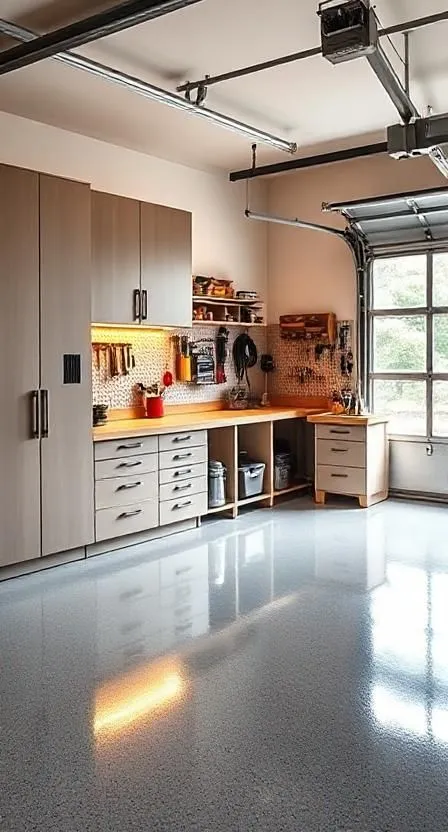
A garage can offer much more than a parking space. For homeowners who enjoy woodworking, repairing bicycles, exercising, or completing DIY projects, it may be the only available area for hands-on activities. Unfortunately, dusty concrete, stubborn stains, and poor organization often make the space uncomfortable. Installing an epoxy garage floor can help create a cleaner, more attractive foundation for these activities. With thoughtful planning, homeowners can transform an overlooked garage into a practical extension of their living space without undertaking major structural renovations.
Rethinking How the Garage Functions
The first step involves identifying how the garage will actually be used. A family that stores bicycles and sports equipment has different requirements from someone building furniture or maintaining motorcycles. Instead of treating the entire area as one open space, consider dividing it into practical zones. One section might remain dedicated to parking, while another accommodates a workbench and storage cabinets.
Floor condition becomes particularly important when these activities overlap. A well-maintained surface makes it easier to move equipment, collect debris, and keep frequently used items organized.
Understanding Common Concrete Problems
Many garages have unfinished concrete that gradually collects dust and absorbs spilled liquids. Automotive fluids, household chemicals, and moisture can leave stains that are difficult to remove. Cracks and uneven sections may also affect how comfortably equipment moves across the surface. These issues deserve attention before installing cabinets or expensive workshop accessories.
Not every concrete defect requires complete slab replacement. However, structural movement, moisture problems, and significant damage should be professionally assessed. Addressing existing conditions first helps prevent future flooring problems and avoids unnecessary interruptions after the garage has been reorganized.
Designing a Space Around Daily Activities
A functional garage requires more than an attractive floor. Storage arrangements, lighting, ventilation, and equipment placement influence how comfortably the space can be used.
Homeowners planning an upgrade should consider:
- Work zones: Keep frequently used equipment near suitable power outlets.
- Storage access: Install shelving that leaves enough room for vehicles and movement.
- Lighting: Provide adequate illumination above workbenches and detailed projects.
- Surface traction: Choose appropriate textures where water or spills may occur.
- Cleaning access: Leave enough open space for sweeping and routine maintenance.
These decisions help create a more organized environment without overcrowding the available area.
Selecting a Suitable Protective Finish
Professional epoxy flooring offers several finish options that can complement different garage layouts. Decorative flakes create visual variation, while solid-color systems provide a simpler appearance. Some coating systems combine an epoxy base layer with a compatible polyaspartic topcoat. This combination can provide additional surface protection and color stability when correctly specified.
The appropriate finish depends on expected traffic, sunlight exposure, cleaning requirements, and personal preferences. Homeowners should also discuss slip resistance rather than assuming every glossy surface offers sufficient traction under wet conditions.
Why Installation Planning Makes a Difference
A successful flooring upgrade begins with evaluating the existing slab. Professional installers may use mechanical grinding to remove contaminants and create a suitable bonding profile. Cracks and damaged sections can require repairs before coating application. Moisture testing may also be necessary to determine whether the concrete is suitable for the proposed system.
Homeowners must temporarily relocate vehicles and stored belongings while the work takes place. Although some coating systems offer relatively fast installation, curing requirements vary. The contractor should explain when walking, equipment storage, and vehicle parking can safely resume.
Making the Space Comfortable Year-Round
Southern California homeowners may experience warm garage temperatures during parts of the year, especially where large doors receive direct sunlight. Ventilation, insulation, and suitable lighting can improve comfort during hobbies or household projects. Portable fans may help with general air circulation, although equipment should never interfere with coating installation or curing.
A finished garage can also benefit from practical details such as wall-mounted tool organizers, protective mats beneath equipment, and clearly marked storage areas. These smaller improvements support everyday usability without requiring complicated renovation work.
Maintaining the Floor After Installation
Once the coating has fully cured, regular cleaning helps preserve its appearance. Sweeping removes sand and debris that might otherwise cause surface abrasion. Spills should be cleaned promptly using products approved for the installed coating. Heavy equipment should be moved carefully to avoid scratches or impact damage.
Furniture pads and appropriate workbench supports can provide additional protection in frequently used areas. Periodic inspection also helps homeowners identify localized wear before extensive repairs become necessary.
Conclusion
Transforming a garage into a useful workspace requires thoughtful organization, suitable materials, and attention to existing concrete conditions. A professionally installed coating can improve appearance and simplify maintenance while supporting everyday household activities. The best results come from coordinating flooring decisions with storage, lighting, and equipment needs. Homeowners exploring garage upgrades in Southern California can review the decorative coating systems and professional installation services available through evolveepoxy.com before planning their next improvement.
