

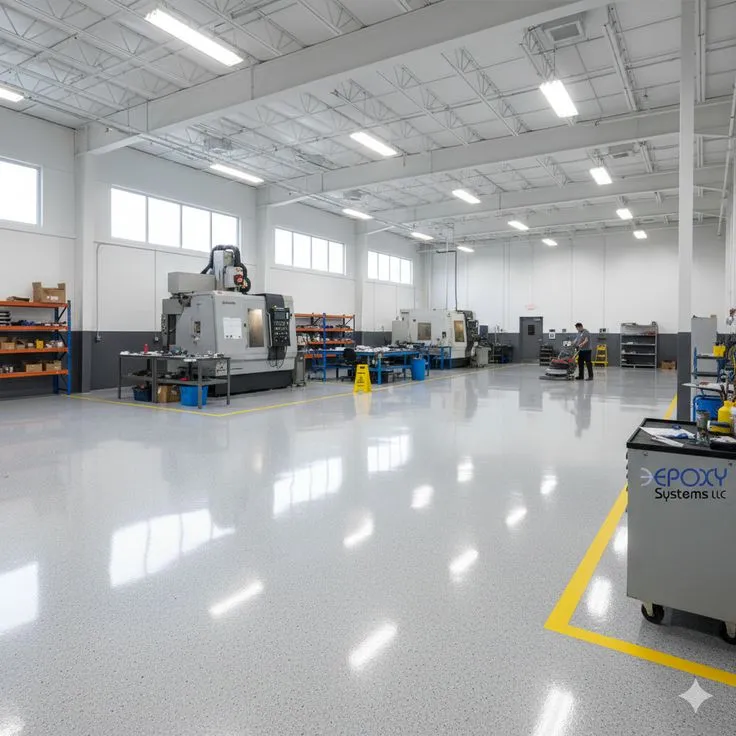
Warehouse floors face demanding conditions that are rarely encountered in ordinary residential spaces. Forklifts travel along repeated routes, pallets move between storage areas, and heavy equipment places continuous pressure on concrete surfaces. Over time, untreated or deteriorating floors can create maintenance challenges and interfere with operations. Installing suitable industrial epoxy flooring can help businesses protect their concrete while creating a surface designed for demanding working environments. However, long-term performance depends on matching the coating system to the facility’s equipment, traffic, and operational requirements.
Understanding Warehouse Floor Stress
Industrial buildings experience different types of floor loading throughout the working day. Forklift wheels create concentrated pressure, while heavy machinery may remain positioned in one area for extended periods. Loading zones can experience additional abrasion from frequent deliveries and equipment movement. Spilled materials, cleaning solutions, and lubricants may introduce chemical exposure.
These conditions can affect both the concrete and any protective coating. Before selecting a flooring system, facility managers should identify the areas experiencing the greatest wear. A detailed assessment helps establish realistic performance requirements and prevents unsuitable material choices.
Matching Coatings With Industrial Activities
Not all warehouses require identical flooring specifications. A distribution center handling packaged goods may have different needs from a manufacturing facility using oils, solvents, or specialized cleaning products. Some environments prioritize abrasion resistance, while others require particular chemical resistance or additional surface traction.
The thickness and composition of a coating system should reflect these conditions. Equipment weight, wheel material, turning patterns, and temperature exposure may also influence the recommendation. Understanding daily operations allows contractors to suggest a system suited to actual use rather than relying on a general-purpose product.
Reviewing Essential Performance Requirements
Industrial flooring decisions should begin with practical questions about the building and its operations.
Important considerations include:
- Equipment traffic: Evaluate forklift routes, turning areas, and loading zones.
- Chemical exposure: Identify substances that may contact the finished surface.
- Slip resistance: Select appropriate textures where moisture or spills occur.
- Cleaning routines: Consider how frequently floors are washed or sanitized.
- Operational downtime: Determine how installation can fit around existing schedules.
These factors help managers compare flooring options using meaningful operational requirements rather than appearance alone.
Preparing Concrete Before Coating Application
Concrete preparation is essential in facilities where the finished floor must withstand repeated mechanical stress. Existing coatings, grease, dust, and other contaminants may interfere with adhesion. Mechanical grinding can remove unsuitable material and create a surface profile appropriate for the selected system. Damaged joints and cracks may require repairs before installation.
Persistent moisture problems must also be investigated because trapped vapor can contribute to coating failure. A professional evaluation should consider whether the slab itself can support the intended loads. Coatings protect suitable concrete surfaces, but they cannot correct underlying structural weaknesses.
Considering Other High-Traffic Properties
Industrial facilities are not the only buildings that benefit from durable protective finishes. Businesses considering commercial epoxy flooring may have similar concerns about maintenance, abrasion, and daily traffic. Hotels, offices, and healthcare facilities often require attractive surfaces that remain practical under frequent use.
However, commercial interiors may prioritize decorative appearance and pedestrian comfort, while industrial operations place greater emphasis on equipment movement and demanding exposure conditions. Recognizing these differences helps property managers select appropriate systems without assuming that one coating specification will perform equally well in every building.
Scheduling Work Around Active Operations
Replacing or coating an industrial floor requires careful scheduling because many facilities cannot suspend operations indefinitely. Managers may need to relocate inventory, redirect equipment, or temporarily restrict access to selected work zones. Installation schedules should include sufficient time for surface preparation, repairs, application, and curing.
Some projects can be completed in separate sections, allowing unaffected areas to remain operational. However, this approach depends on the facility layout and coating requirements. Clear communication between contractors and management helps reduce confusion and protects workers from entering unfinished areas.
Establishing a Sustainable Maintenance Routine
Even professionally installed industrial coatings require regular attention. Abrasive debris should be removed before it causes unnecessary wear beneath equipment wheels. Cleaning agents must be compatible with the installed system, especially where strong industrial chemicals are used. Facility managers should inspect loading zones, joints, and frequently traveled routes for visible damage.
Keeping maintenance records can help identify recurring problems and determine whether changes to equipment movement or cleaning procedures are necessary. Preventive maintenance often reduces disruption compared with postponing repairs until substantial deterioration occurs.
Conclusion
Industrial flooring decisions influence maintenance expenses, equipment movement, and the everyday performance of busy facilities. Selecting a suitable coating requires careful assessment of concrete conditions, operational demands, chemical exposure, and installation schedules. Businesses that combine appropriate materials with professional preparation and routine inspection can support reliable long-term results. Warehouse operators and commercial property managers in Southern California can explore available industrial and commercial coating solutions through evolveepoxy.com when planning flooring improvements.
