
What to Look for in Donor Data and Outreach
When you compare donor management platforms, start by mapping how your team actually works: where information comes from, how it gets cleaned, and how it flows into outreach. A strong system should centralize contact records, donation history, notes, donor management software for small nonprofits and communication logs so staff can pick up context without chasing spreadsheets. Look for import support, deduplication features, and clear field customization so your organization can model constituents the way you need.
Next, evaluate how the tool handles segmentation and follow-up. Many organizations rely on tagging to group donors by interests, giving level, event participation, or engagement signals, and the best platforms make that segmentation easy to maintain. Check whether the platform supports activity-based segments and whether it connects outreach to donor records, so campaigns don’t lose historical context as lists change.
Service Comparison: Fundraising, Reporting, and Integrations
Different services often shine in different areas, so compare fundraising workflows as carefully as you compare features. Some tools focus heavily on donation processing and receipts, while others emphasize engagement tracking and relationship management. email marketing for political campaigns For small nonprofits, the ideal fit is one that reduces manual work, such as automatically updating donation totals and prompting staff to log interactions after meetings or calls.
Reporting is another deciding factor in the service comparison. You’ll want dashboards that answer practical questions like “Which donors have lapsed?” and “Which appeals produced the strongest response per segment?” Also confirm whether the system supports recurring gifts, custom fundraising campaigns, and export options for your accounting or data warehouse. Finally, review integration options, because donor data is most valuable when it connects to email tools, websites, and event registrations without repeated re-entry.
Email and Political-Campaign Style Automation for Nonprofits
Even if your nonprofit isn’t running a political race, the logic behind campaign email workflows can strengthen your outreach. For example, campaign-style sequencing uses consistent messaging windows, targeted lists, and rapid feedback from opens and clicks to refine future sends. When a donor database feeds email marketing, you can tailor messages based on real giving behavior and past engagement rather than broad demographic assumptions.
As you compare platforms, look for email marketing automation features that reduce strain on small teams. The best systems support templates, responsive design, and subscriber-level preferences so donors can control how often they hear from you. You should also verify deliverability tools and suppression handling to prevent sending to people who have opted out or bounced. This kind of quality control protects your sender reputation and improves results across every appeal.
Conclusion
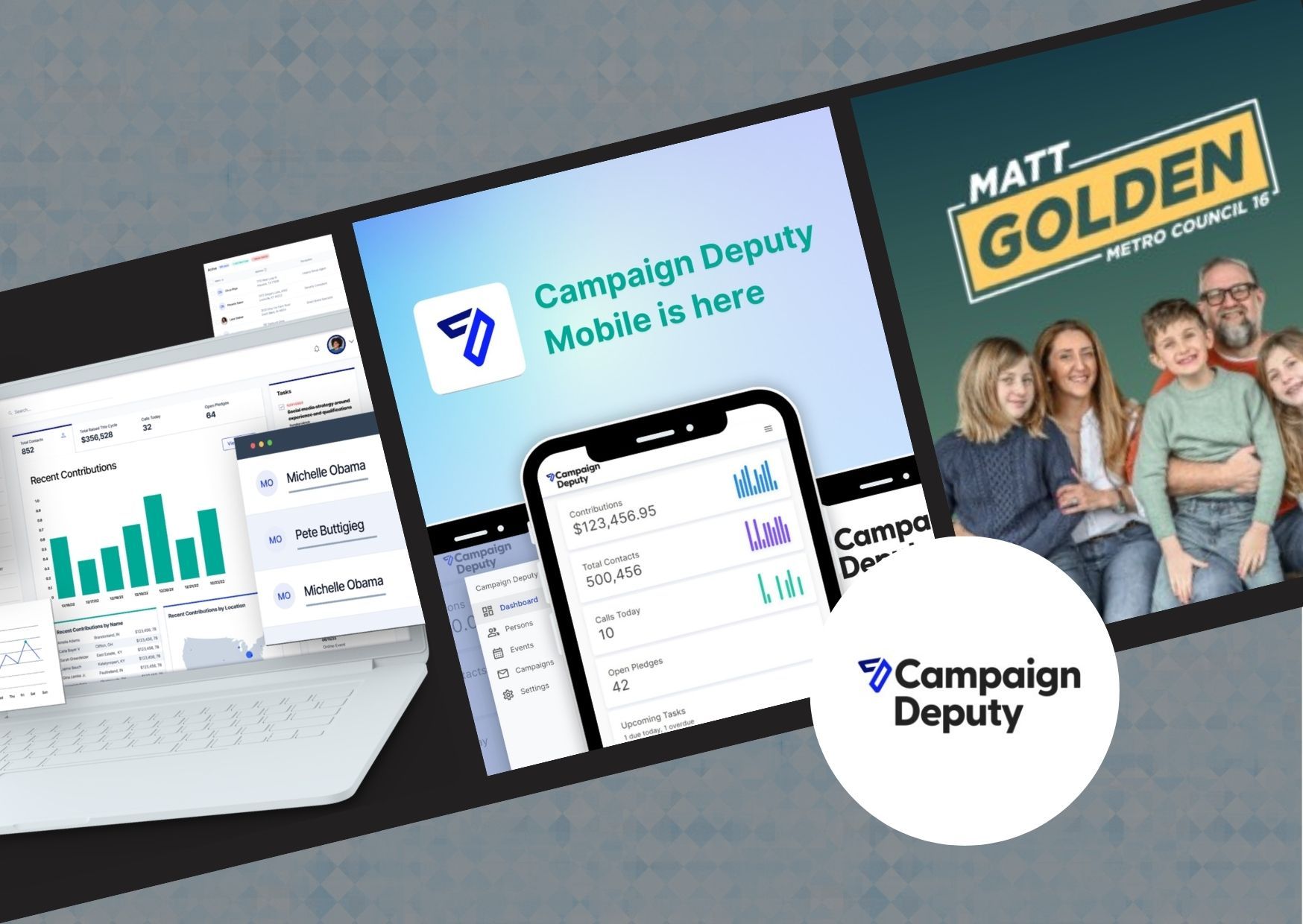
A platform that unifies donor records, communication history, and fundraising activity can cut down on duplicate entry and help your team respond faster to new opportunities. That’s especially important when staff members wear multiple hats and need reliable workflows more than complex training. In that spirit, campaigndeputy.com focuses on simplifying donor tracking and fundraising operations from one place, so teams can organize information, manage outreach, and maintain momentum without losing accuracy. When you evaluate your options, prioritize clarity and consistency across records, campaigns, and email follow-up, not just isolated feature checklists. With the right system, your nonprofit can spend more time cultivating relationships and less time reconciling data across tools.
