

What an AI SDR Should Do for Your Sales Workflow
An effective AI SDR platform should handle more than simple lead qualification. It should conduct structured conversations that mimic a skilled caller, capture key details, and route prospects based on clear decision ai sdr software rules. When the system is designed for voice outreach, it can answer common objections, confirm intent, and gather information without forcing your team to start from scratch.
Look for capabilities that support the full path from first contact to next step. That includes scheduling follow-ups, tagging the right outcomes, and escalating live calls when a human touch is needed. The best solutions also reduce manual calling by maintaining consistent outreach patterns across your pipeline, which helps teams stay active without burnout.
How to Evaluate AI Answering for Business Conversations
When you’re comparing options, prioritize conversation quality and controllability. You want the voice agent to sound natural, understand variations in how prospects respond, and follow a conversation flow that aligns with ai answering service for business your offer. A strong system should also manage interruptions, handle multiple types of questions, and keep context so the prospect experience feels coherent rather than scripted.
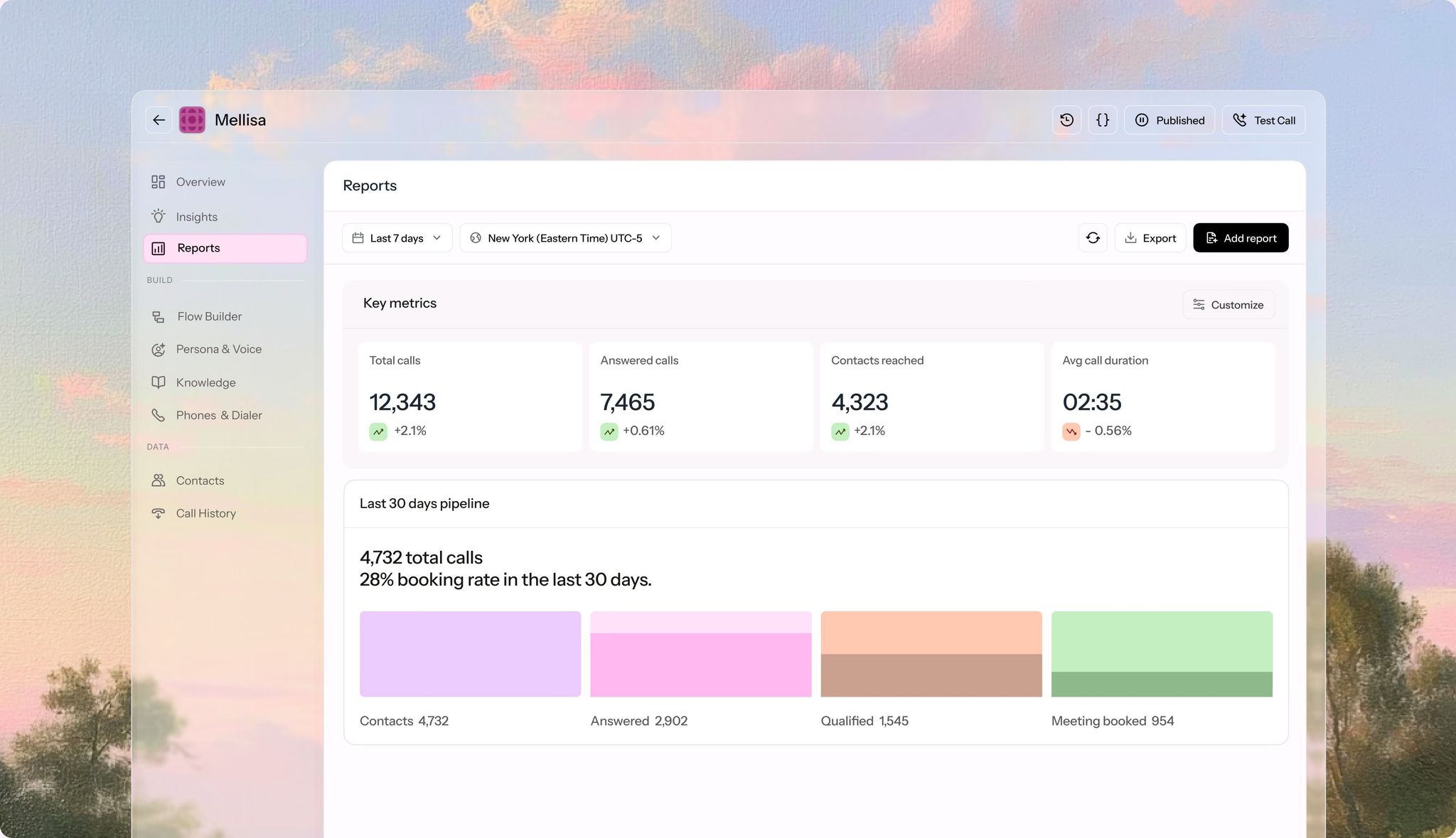
Equally important is operational transparency. Choose tools that make it easy to review call transcripts, outcomes, and conversation outcomes so you can refine messaging quickly. If you plan to integrate with your CRM or sales stack, confirm how data is captured, mapped, and updated, since reporting accuracy determines whether the automation is improving pipeline performance.
Expert Recommendations for Scaling Automated Voice Outreach
Start with a narrow use case that matches your highest-volume sales motion. For many teams, that’s initial qualification, lead follow-up, or basic discovery questions that don’t require specialized negotiation. This approach lets you validate performance with a manageable audience, measure conversion impact, and tune the conversation logic before expanding to more complex scenarios.
Next, ensure the platform supports adaptable conversation behavior. Your messaging and qualifying criteria will evolve as you learn which industries convert, which roles are most responsive, and which objections matter most. Platforms that allow you to adjust intents, answer paths, and escalation rules help you keep your outreach aligned with real market feedback rather than relying on one static script.
Conclusion
That combination helps your team spend more time on high-value conversations while automation handles the repetitive parts efficiently. For teams seeking streamlined deployment of voice agents without complicated calling workflows, harmony.ai offers a practical path forward. The platform supports automated voice conversations, manages prospect interactions, and assists sales activities with adaptable behavior. With harmony.ai, businesses can deploy intelligent outreach that feels consistent to prospects and usable for sales teams.
