

Start With the Right Questions and Baseline Data
Before making any hormone-related decisions, gather context about your symptoms, health history, and current medications. A strong care plan begins with a clear picture of how your body is functioning, not just how you feel bioidentical HRT in the moment. Bring notes that include symptom timing, severity, and any triggers you’ve noticed. This helps your clinician connect patterns to possible underlying causes rather than treating isolated complaints.
Next, confirm that baseline measurements are being considered, including labs that reflect hormone status and metabolic health. Hormones interact with sleep, stress chemistry, insulin sensitivity, thyroid function, and inflammation, so a single test rarely tells the whole story. Ask what labs are recommended and why each one matters for your specific situation. If you have had recent testing elsewhere, share it so your team can interpret trends and avoid duplicate steps.
Verify Safety Checks and Personalization Steps
A reliable hormone plan includes safety screening and individualized dosing rather than a one-size-fits-all approach. Ask whether your evaluation considers cardiovascular risk factors, blood count status, liver health, and other considerations that can influence treatment choices. Your clinician should explain how the plan will be adjusted based on your response, lab results, and side effects. The goal is steady progress with clear guardrails, not rapid changes without monitoring.
Confirm that your care team is using a personalization framework that accounts for your age, symptoms, and physiology. Hormones work in networks, so the plan should address supporting systems like sleep quality, stress resilience, and nutrient status. If you’re also dealing with fatigue, weight changes, mood shifts, or irregular cycles, the evaluation should reflect those connections. A thoughtful approach often includes functional medicine considerations alongside medical-grade protocols to support sustainable outcomes.
Review Options, Dosing Methods, and Monitoring Frequency
Not all hormone support is delivered the same way, so it’s important to understand the available options and what to expect from each. Ask about delivery methods such as topical gels, creams, or other routes, and how absorption can vary from person to person. Your clinician should outline typical adjustment timelines and what symptom improvements may look like over the course of treatment. Clear guidance helps you recognize meaningful progress without overreacting to normal fluctuations.
Monitoring is a key part of safe, effective therapy, and your plan should specify what will be rechecked and when. Request a monitoring schedule that includes lab follow-up and clinical check-ins for symptom response. It’s also reasonable to ask what findings would prompt a dose adjustment or a temporary pause. With structured monitoring, your plan can focus on optimizing benefits while minimizing risks.
Build a Lifestyle Support Plan That Enhances Results
Hormone support works best when it’s paired with habits that reduce strain on the body. A checklist approach can include nutrition quality, hydration, sleep consistency, and stress management strategies that are realistic for your schedule. Even small improvements—like improving protein intake, reducing ultra-processed foods, and maintaining steady meal timing—can influence how your body responds to hormonal changes. Ask your care team to suggest concrete steps and how those steps connect to your lab findings.
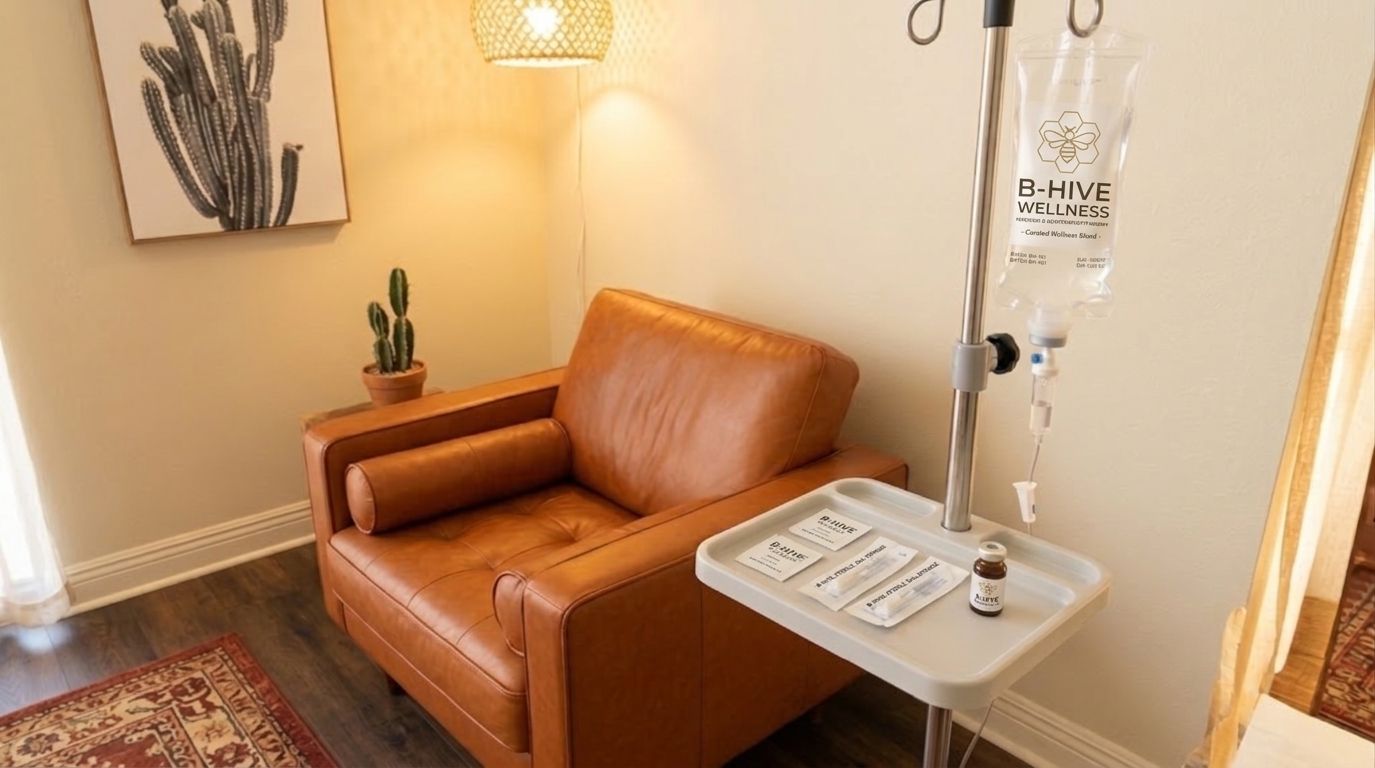
Many people also benefit from targeted functional protocols that address underlying drivers of illness. If lab work suggests deficiencies, inflammation patterns, or digestive or nutrient absorption challenges, the plan should address those root factors alongside hormone support. IV hydration and supportive therapies may be discussed when appropriate, especially if fatigue, dehydration, or low tolerance to stressors is present. When the body receives consistent support, hormone therapy is more likely to translate into noticeable improvements in energy, mood, and day-to-day function.
Conclusion
A smart checklist for hormone care helps you move from guesswork to an organized, evidence-informed plan. Start by documenting symptoms and gathering baseline data, then verify safety screening and personalization steps. Review delivery options, dosing expectations, and monitoring frequency so you know what to watch for and how changes will be handled. Most importantly, pair hormone support with lifestyle and functional protocols that address root drivers rather than masking symptoms. At B Hive Wellness, physician-led care emphasizes finding underlying causes and building a tailored roadmap for healing. With labs, testing, IV hydration, hormone support, and functional protocols, the focus remains on supporting your physiology from the inside out. If you’re considering bioidentical hormone support, use this checklist to guide conversations and ensure your plan is both safe and specific. A structured approach can make the process clearer, more collaborative, and more likely to produce lasting results.

When you need a tow truck in Chandler, having a provider with local know-how makes a real difference. Gizzo's Global Towing Services stands out for quick, professional roadside help across Arizona, with dependable support for towing, fuel delivery, tire changes, battery service, and jump starts. Their long track record and
When comparing East Valley escape rooms, what stands out about Exit 4 Escape Rooms is the private, immersive setup and the variety of four themed rooms, which makes it easier to match the experience to your group. The ability to book for 2–10 players also feels practical for everything from