

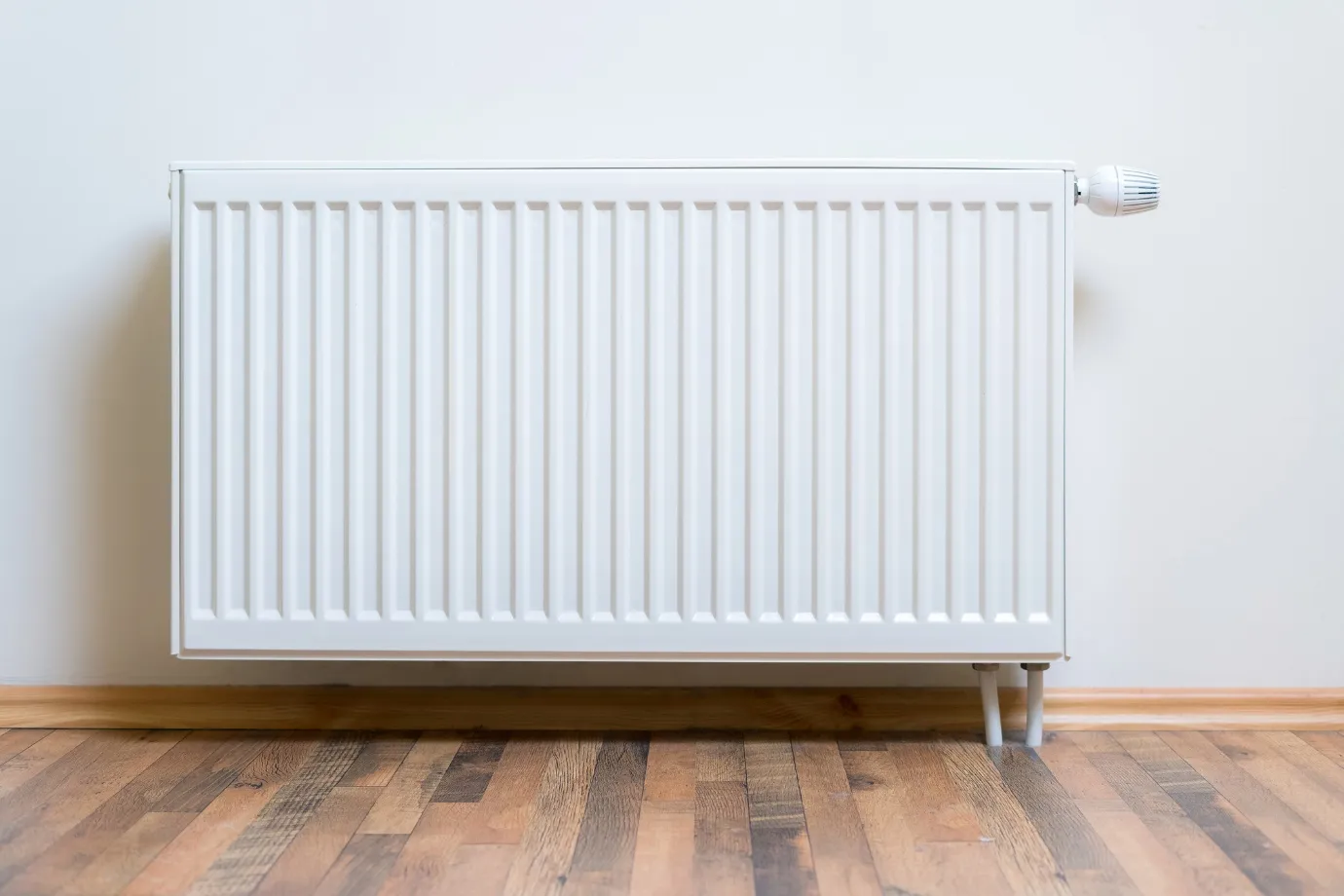
A heating system can appear to be working normally while certain rooms remain noticeably colder than others. One radiator might warm quickly, another may heat only across its upper section, and a third might barely respond. These differences can indicate several underlying problems rather than a single obvious fault. Understanding how radiators distribute heat helps homeowners recognize when routine adjustments may be sufficient and when the wider central heating system requires investigation.
Different Temperature Patterns Suggest Different Problems
A radiator that remains cold near the top may contain trapped air. Air can restrict the circulation of heated water through part of the radiator, leaving the surface noticeably cooler. This symptom is relatively common and does not automatically indicate serious system damage.
Cold areas near the bottom can sometimes suggest accumulated sludge or restricted circulation. However, temperature patterns alone cannot confirm the cause. Thermostatic valves, system balancing, water flow, and heat demand may also influence performance. A reliable diagnosis requires considering the complete heating arrangement.
How Heating Sludge Develops Over Time
Central heating water circulates through pipes, radiators, and other components. Over time, corrosion products and suspended debris may accumulate within the system. These materials can settle in areas with slower circulation, potentially restricting the movement of heated water.
Accumulation does not happen at the same rate in every installation. Water quality, system age, materials, and previous maintenance all influence conditions. Where contamination becomes significant, a heating professional may recommend appropriate cleaning methods alongside measures intended to reduce future deterioration.
Why Radiator Balancing Matters
Radiators need suitable water flow to distribute heat around a property. When circulation is uneven, radiators nearer the heat source may become hot while more distant units struggle to reach comfortable temperatures. This imbalance can create noticeable differences between rooms.
Balancing involves adjusting suitable radiator valves to distribute flow more effectively. It requires an understanding of the heating layout and should be performed with appropriate care. Incorrect adjustments may make performance worse, particularly in systems with existing circulation problems.
Understanding the Role of Power flushing
Power flushing is a cleaning process intended to remove certain types of accumulated contamination from central heating circuits. Specialist equipment circulates cleaning fluid through the system under controlled conditions. The aim is to improve cleanliness and help restore circulation where debris contributes to poor performance.
Not every heating problem requires power flushing. A defective valve, faulty pump, or incorrectly balanced system may need a different solution. Older or vulnerable installations also require assessment before cleaning. The appropriate method depends on system condition, component compatibility, and the diagnosed cause.
Recognizing When Professional Investigation Is Necessary
Repeated cold spots, unusual heating noises, and persistent circulation problems deserve attention. Homeowners should also notice whether the issue affects a single radiator or several rooms. This distinction can help a heating professional determine which parts of the installation require examination.
Experienced southampton plumbers can assess relevant plumbing and heating components where services fall within their expertise. Homeowners should describe the symptoms clearly, explain previous maintenance, and request an appropriate diagnosis before approving substantial cleaning or replacement work.
Improving Everyday Heating Performance
Heating efficiency is influenced by more than the condition of radiators. Thermostat settings, room insulation, radiator placement, and household habits can affect comfort. Furniture positioned directly against radiators may also restrict effective heat circulation within a room.
Regularly observing heating performance allows developing issues to be identified earlier. Homeowners can record unusual temperature differences and arrange suitable checks when symptoms persist. Boilers and gas-related components must only be worked on by appropriately registered professionals where registration is legally required.
Keep a Record of Recurring Heating Problems
Heating problems may appear intermittently, making them difficult to explain during a professional inspection. Recording which radiators remain cold, how long they take to warm, and whether unusual noises occur can provide useful information. Homeowners can also note whether symptoms change when other radiators are adjusted or when the system operates for longer periods.
These observations help distinguish occasional temperature variations from recurring circulation concerns. A simple maintenance record containing previous repairs and system cleaning dates may also support diagnosis. Clear information can reduce unnecessary investigation and help professionals recommend appropriate corrective work.
Conclusion
Uneven radiator temperatures can result from trapped air, contamination, restricted circulation, or unsuitable system adjustments. Identifying the cause is more effective than assuming every cold radiator needs replacement. KJP Plumbing & Heating provides heating-related plumbing services, including power flushing, for customers in the Southampton area. A considered approach to investigation and maintenance can support reliable heating performance while avoiding unnecessary work. Homeowners benefit most from understanding their system’s condition and selecting repairs based on clear evidence rather than guesswork.
