

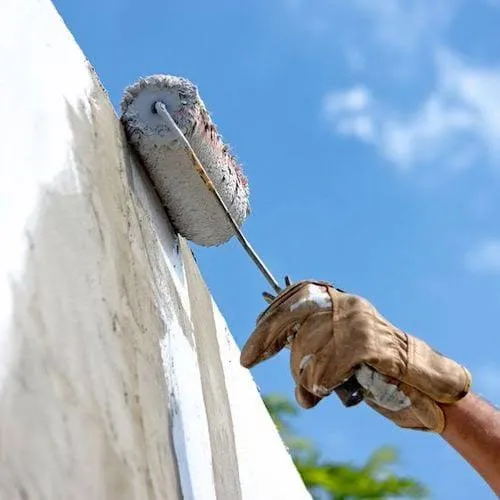
Exterior painting in a warm climate involves more than selecting an attractive color. Sun exposure, surface temperature, dry conditions, and previous coatings can affect when and how a home should be painted. People researching Painters in Bakersfield CA benefit from knowing what a professional preparation plan includes. The goal is to protect surfaces and produce consistent coverage, not simply finish an exterior as quickly as possible.
Study Sun Exposure Around the House
A west-facing wall can experience different conditions from a shaded porch, even within the same property. Walk the perimeter and identify peeling, fading, chalking, or isolated spots of moisture damage.
These observations help establish where preparation may be extensive. Paint can disguise a patch temporarily, but it cannot resolve moisture infiltration or deteriorated substrate beneath the coating.
Understand Surface Temperature
Air temperature is only one factor in exterior work. A wall exposed to direct sun can become much hotter than the surrounding air, affecting application and drying behavior.
Product labels provide acceptable application ranges and instructions. Scheduling work for suitable conditions helps avoid rushing a coating onto a surface outside the manufacturer’s recommendations.
The existing exterior finish can also help explain why one area needs more work than another. Where paint has failed repeatedly, ask whether moisture or substrate movement has been investigated before the new coating is specified.
Do Not Skip Washing and Repair
Dust, loose paint, and contamination interfere with adhesion. Surfaces should be prepared using methods appropriate to siding, stucco, wood, or other materials.
Cracks and loose caulk need assessment before topcoats begin. The purpose of preparation is to create a stable surface rather than using extra paint to cover defects.
Compare Primers and Finishes
Bare patches, repaired surfaces, and areas with staining may require different primer decisions. A coating system should fit both the surface and the exposure it will face.
A Painting Contractor in Bakersfield CA can explain why a particular primer or finish is appropriate. Ask for product specifications instead of relying only on broad claims about premium paint.
Choose Colors With Exposure in Mind
Color choice changes the home’s appearance, but strong sunlight can also make undertones and contrast more noticeable. Test sample areas in morning and afternoon light.
Consider trim, roof color, landscaping, and nearby masonry. Samples provide a better sense of the finished look than selecting from a tiny card inside a store.
Discuss access to gates, utility panels, and outdoor fixtures before the crew starts. Removing obstacles in advance keeps the preparation sequence organized and makes it easier to protect landscaping and equipment around the house.
Protect Surrounding Property
Exterior work should include a plan for protecting windows, walkways, plants, fixtures, and parked vehicles. Discuss access needs and which areas may be temporarily unavailable.
Good masking and cleanup are part of workmanship. They also make the project easier for residents who must continue using the property during painting.
Inspect the Work in Different Light
Walk around the home after adequate drying and view broad surfaces from several angles. Look for missed sections, uneven edges, paint on hardware, and unaddressed preparation problems.
Ask for a final explanation of any touch-ups and the expected curing period. A deliberate walkthrough is more useful than relying on a glance from the driveway.
Ask how weather-related schedule changes will be communicated. A professional plan should allow unsuitable conditions to delay application without turning every adjustment into a conflict. A homeowner can make the process easier by keeping access clear and approving repairs before the painter reaches the affected surface.
Maintain the Finish Afterward
Regular gentle cleaning and attention to failed sealant can extend the usefulness of an exterior coating. Address local damage before it grows into a large exposed area.
Keep paint names and product information for later repairs. Maintenance expectations differ with substrate, exposure, coating, and workmanship, so avoid assuming one repainting interval fits every home.
Conclusion
Exterior painting performs best when conditions, materials, and preparation are considered together. Heat is not a reason to abandon a project, but it does make thoughtful scheduling and product choices important. Patrickholmespainting.com describes residential exterior painting alongside other property services. Homeowners who understand the process can discuss specifications more confidently and judge the finished work on more than color alone.
