

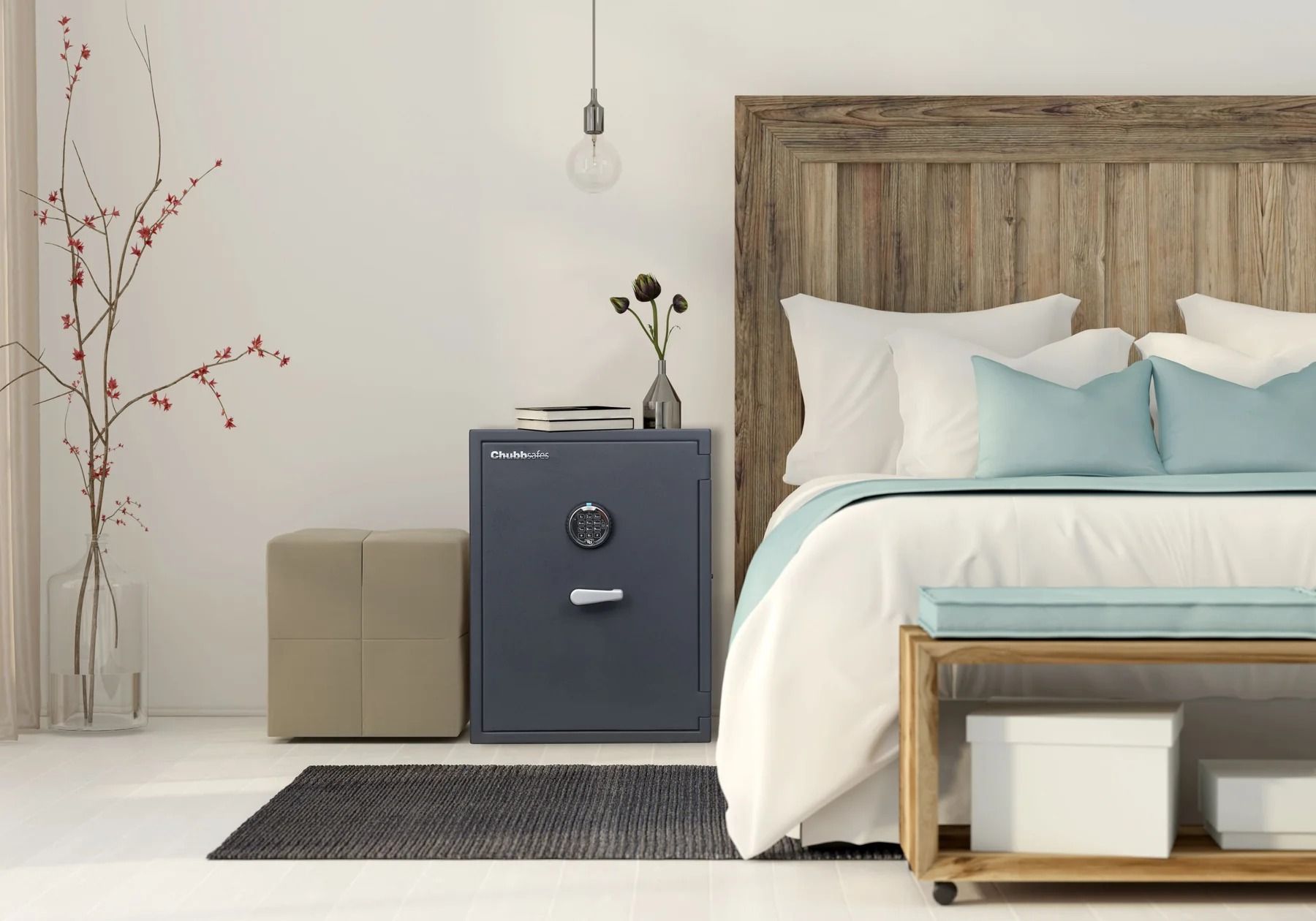
Match safe type to what you’re protecting
Choosing the right safe starts with understanding what you need to store and how often you access it. Fire resistance matters for documents, photos, and important paperwork, while burglary resistance matters for tools, electronics, and valuables. If your priority is security safes protecting documents, consider a safe with a fire-focused design and a configuration that supports folders and letter-size items. If you need to secure high-value items, prioritize lock quality, body construction, and overall threat resistance.
A second factor is how the safe will live in your space. Some homes need discreet installation options, while commercial locations may require easier anchoring and straightforward maintenance. Think about door swing clearance, floor load, and whether the safe will sit against a wall or in a corner. Proper placement and secure anchoring can be just as important as the safe’s rating, because a well-built unit still needs a stable mounting system for best results.
Compare fire protection vs burglary performance
Not all safes balance fire protection and burglary resistance the same way, so a direct comparison helps you avoid paying for features you won’t use. Fire performance is typically influenced by the door seals, insulation materials, and how the safe’s interior heat barrier is built. Burglary rifle safe performance depends on steel thickness, door construction, hinge design, and the overall resistance of the locking area. When you compare models, look for clear testing standards and avoid vague claims that do not explain what the safe can withstand.
For many households, the best choice is a safe that offers both categories of protection, but you still want to weight them correctly. For example, a homeowner storing sensitive papers may prefer higher fire emphasis, along with interior organization like document racks. A business storing cash, small inventory, or client records may need stronger burglary emphasis and durable hardware that survives daily use. When you compare options, check the locking mechanism style and whether it’s designed to resist manipulation and repeated stress.
Locking systems and access: what changes day to day
Locking systems affect not only security, but also usability, especially when multiple people need access. Key locks can be reliable and simple, while electronic locks may offer programmable access and faster entry during busy periods. A comparison should include how many users you need, whether you want audit-friendly access control, and how easy it is to manage codes or keys. It’s also worth considering backup options so you’re not locked out during a power or battery issue.
Another practical comparison is how the safe feels in real use. Door smoothness, handle design, and internal layout can make accessing items more convenient without compromising security. Look for features that prevent shifting and reduce wear on both the safe interior and the items stored within it, because stability is part of safe storage and long-term protection.
Conclusion
A strong comparison considers fire resistance, burglary resistance, lock quality, and day-to-day usability, rather than only choosing by size or appearance. For documents and valuables, prioritize practical interior space and protection features that match your risk profile. The range supports secure storage of valuables, documents, and important possessions with models designed for everyday security needs. By comparing fire and burglary performance alongside locking and layout, you can select a safe that fits your environment and your security goals. That approach helps you buy with confidence, knowing the safe is chosen for real-world protection, not just specifications on paper.
