

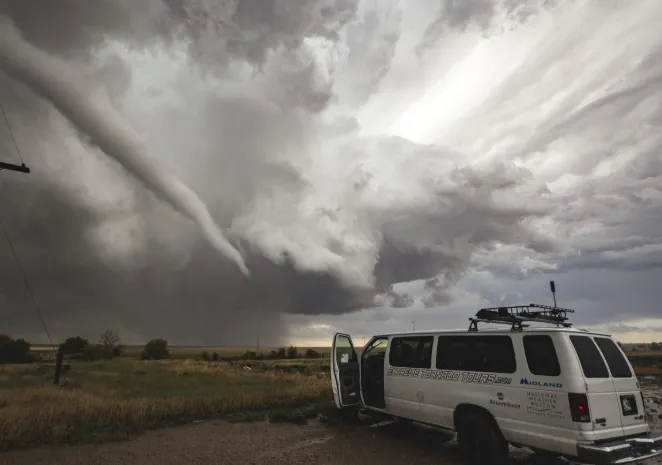
Severe weather can change in minutes, making good planning a key part of storm chasing 2027 operations. Chasers need more than cameras, maps, and a fast car. They need clear safety rules, weather data, safe routes, and a plan for sudden changes. Storms can bring strong winds, hail, floods, lightning, and tornadoes at the same time. A calm approach helps reduce risk. This guide covers basic field safety, weather checks, road awareness, communication, and emergency steps. These habits can help both new and experienced chasers make better choices.
Build A Clear Storm Safety Plan
Every chase should begin with a simple safety plan. Check the forecast, storm outlook, road map, and local warnings before leaving. Mark safe towns, open roads, fuel stops, and places where you can shelter. Keep your phone charged and carry a backup power source. A paper map can also help when signals fail. Never rely on one weather app. Compare trusted sources and watch how conditions change. During storm chasing 2027, plans should stay flexible. A safe exit route matters more than getting closer to the storm.
Track Storms with Reliable Weather Data
Good weather data helps chasers make safer choices. Radar can show storm shape, movement, rain bands, and areas with strong rotation. Alerts can warn about tornadoes, hail, floods, and damaging winds. During tornado chasing 2027, updates should be checked often because storm speed and direction can shift quickly. Local weather offices and official emergency alerts should carry more weight than social media posts. Keep the volume high enough to hear warnings. Small details matter too, such as storm motion, road conditions, and visibility. Never chase based on one radar image alone.
Keep a Safe Distance from Active Storms
Distance gives chasers more time to react. A storm may look calm from one side while hiding dangerous wind, hail, or rain nearby. Avoid driving under rotating clouds or through heavy rain where visibility drops. Tornadoes can also move in ways that surprise people. During field work, never stop on bridges, narrow roads, or busy highway shoulders. These areas can block traffic and limit escape. Tornado chasing in 2027 should focus on observation from a safe position, not close contact. If conditions worsen, leave early. There is no benefit in waiting too long.
Drive Smart on Crowded Chase Roads
Road safety is a major part of weather operations. Storm events can attract many vehicles, and traffic may become heavy near good viewing areas. Follow speed limits, keep space between vehicles, and never stop where emergency crews need access. Wet roads can hide standing water, while hail can make driving hard in seconds. Avoid flooded crossings because water depth can be difficult to judge. Headlights help other drivers see your vehicle in poor weather. Storm chasing 2027 also requires respect for local drivers and residents. A clear road is a safer chase road.
Use Communication and Emergency Gear
Reliable communication can help when weather turns severe. Carry a charged phone, backup battery, weather radio, first aid kit, water, basic food, and a flashlight. Tell someone outside the chase area where you plan to travel. A simple check-in plan can help others know when you are safe. During a storm, keep messages short and useful. If cell service fails, a weather radio may still provide alerts. Emergency gear does not prevent danger, but it can make a difficult situation easier to manage. Preparation should be routine, not an afterthought.
Know When to End the Chase
The safest chasers know when to stop. Warning signs include poor visibility, blocked roads, fast storm movement, flooding, falling debris, power lines, and traffic that prevents a safe exit. Fatigue also matters. Tired drivers react more slowly, especially after hours on the road. Never stay for a final photo when conditions are becoming unsafe. Move away early and reach a secure location. Tornado chasing in 2027 should always include a clear stop point before the chase begins. A successful operation means returning safely, not staying near a storm for as long as possible.
Conclusion
Safe weather operations depend on preparation, good judgment, and respect for changing conditions. Chasers should study forecasts, monitor official alerts, plan escape routes, drive with care, and keep useful emergency gear nearby. Technology can support decisions, but it should never replace basic safety skills. During severe weather, distance and time are valuable. The best field choice may be leaving early, even when the storm looks impressive. For reliable information and storm chasing resources, stormchasing.com can be a useful starting point for people who want to learn, prepare, and operate more safely.
