

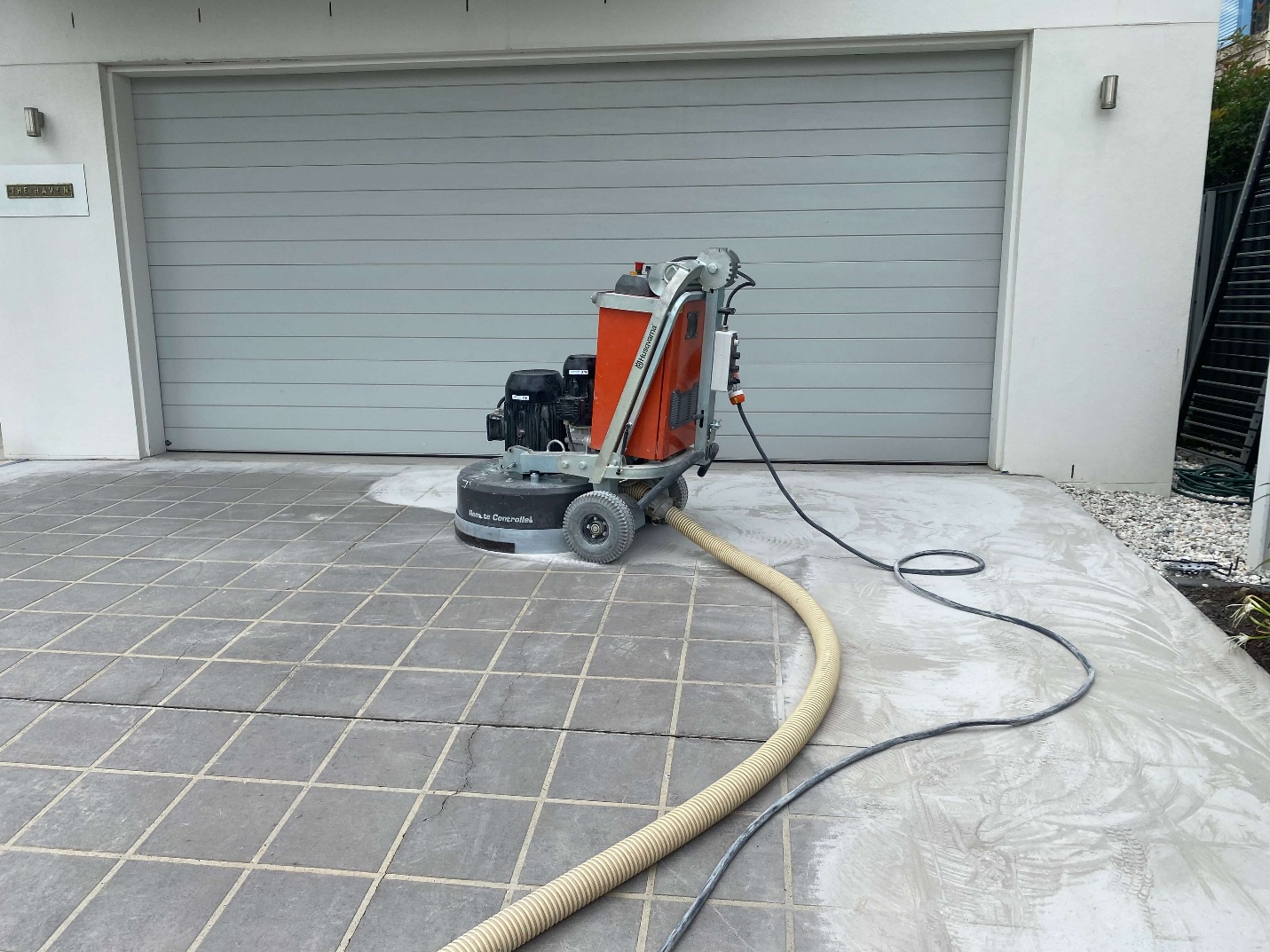
Outdoor concrete can gradually lose its original appearance as it experiences vehicle traffic, weather exposure, moisture, and everyday use. Discolouration, surface wear, small cracks, and an outdated finish can make a driveway or other concrete area look tired. Before replacing the entire surface, property owners may want to consider whether concrete coatings or driveway resurfacing could provide a practical way to improve it.
Assess the Existing Surface First
The condition of the concrete should be evaluated before choosing any resurfacing or coating system. Surface stains and minor wear may be manageable, but significant movement, structural damage, or persistent moisture can require a different approach.
Look closely at cracks, damaged edges, uneven sections, drainage patterns, and previous repairs. A professional inspection can help distinguish between cosmetic problems and conditions that need more substantial attention.
This assessment also helps determine whether the existing concrete provides a suitable foundation for the planned finish. Not every driveway or outdoor slab will be appropriate for the same treatment.
Understand Concrete Coatings
Concrete coatings are designed to add a finished layer over a suitably prepared concrete surface. Depending on the system, coatings can change the appearance, texture, and practical characteristics of an outdoor area.
Some systems are designed for decorative purposes, while others are selected for their ability to handle regular foot traffic or environmental exposure. The right product depends on where it will be installed and what conditions it will experience.
Outdoor applications deserve particular attention because sunlight, rain, temperature changes, and moisture can affect flooring materials differently from interior environments.
Know When Resurfacing Makes Sense
Driveway resurfacing can be considered when an existing concrete surface remains generally suitable but needs improvement. Resurfacing may provide an alternative to completely removing and replacing the slab when the underlying structure is appropriate.
The process can involve repairing suitable defects, preparing the existing surface, and applying a new finish or resurfacing material. The exact method depends on the concrete condition and the desired appearance.
Resurfacing should not be viewed as a solution for every type of concrete damage. A professional should assess whether the existing slab can support the proposed system before work begins.
Consider Your Driveway Usage
Driveways experience repeated vehicle traffic, which makes durability an important consideration. Cars can introduce dirt, moisture, oil, and other contaminants, while turning tyres can place additional stress on the surface.
Think about how many vehicles regularly use the driveway and whether heavier vehicles will also be parked there. These details can help determine what type of finish may be appropriate.
Drainage should also be considered. Water that regularly collects on the surface can create ongoing problems regardless of the finish selected. Addressing drainage concerns may therefore be part of a broader resurfacing plan.
Pay Attention to Outdoor Conditions
Outdoor surfaces experience changing conditions throughout the year. Rain, direct sunlight, humidity, and temperature fluctuations can all influence how a coating or resurfacing system performs.
Before choosing a product, ask whether it is suitable for the property’s specific outdoor environment. Application conditions can also matter. Temperature, moisture, and surface conditions may influence when certain materials can be installed.
A professional contractor can explain the preparation and application requirements for the recommended system.
Think About Appearance and Safety
A resurfaced driveway can change the overall appearance of a property’s exterior. Colour, texture, aggregate exposure, and decorative finishes can all influence the final look.
However, appearance should not be the only consideration. Outdoor surfaces can become wet from rain or cleaning, so that appropriate traction may be important. A completely smooth finish may not always be the most practical choice.
Discuss texture and cleaning requirements before selecting a decorative finish. The surface should complement the property while remaining suitable for everyday use.
Maintenance Matters
Even well-installed outdoor flooring requires regular maintenance. Removing dirt and debris can help keep the surface looking cleaner, while spills should be addressed according to the recommendations for the selected material.
Inspect the surface periodically for new cracks, damage, drainage problems, or areas showing unusual wear. Early attention can make it easier to understand whether maintenance or repairs are needed.
Ask the contractor what routine care is recommended and whether particular cleaning products should be avoided.
Compare the Project Options
Before choosing between coating, resurfacing, or replacement, compare the condition of the concrete, expected usage, appearance requirements, maintenance needs, and installation process.
A professional assessment can help determine which approach is realistic for the existing surface. It can also clarify what preparation and repairs should be included before the new finish is applied.
Conclusion
A worn driveway does not automatically mean the entire surface needs replacement. In suitable situations, driveway resurfacing or concrete coatings may provide practical options for improving an existing outdoor area. If you are considering a flooring or concrete project in the Redlands and Brisbane region, epoxyflooringredlands.com.au can be a useful starting point for exploring available services. A careful assessment of the existing surface can help you choose an approach that fits the property’s needs.
